Welcome to KSM SOLAR


Photovoltaic accessories
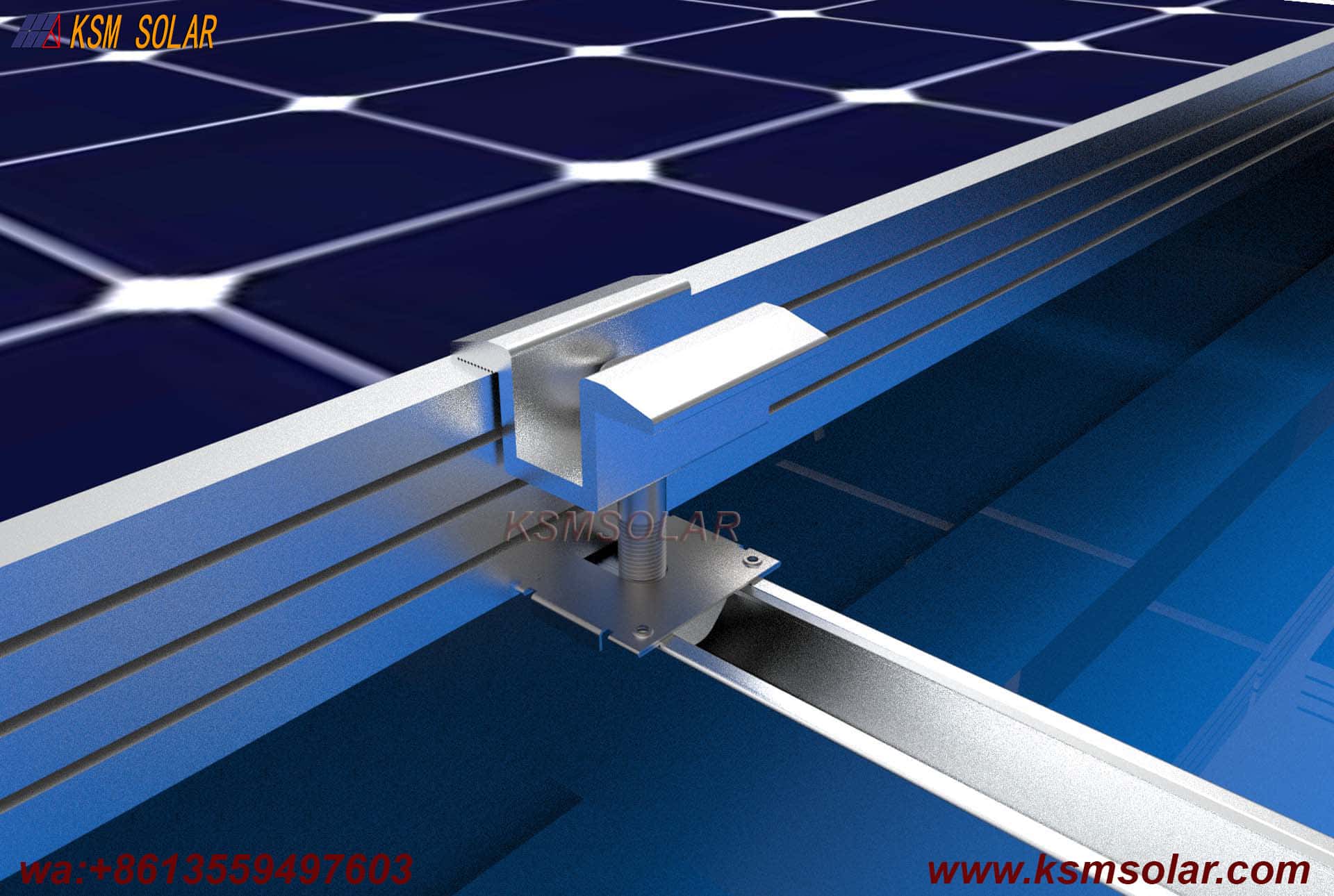
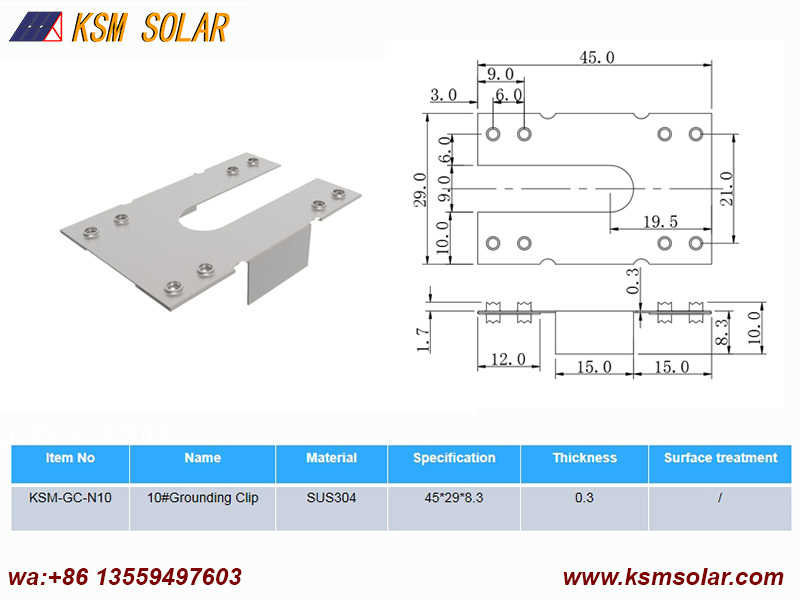
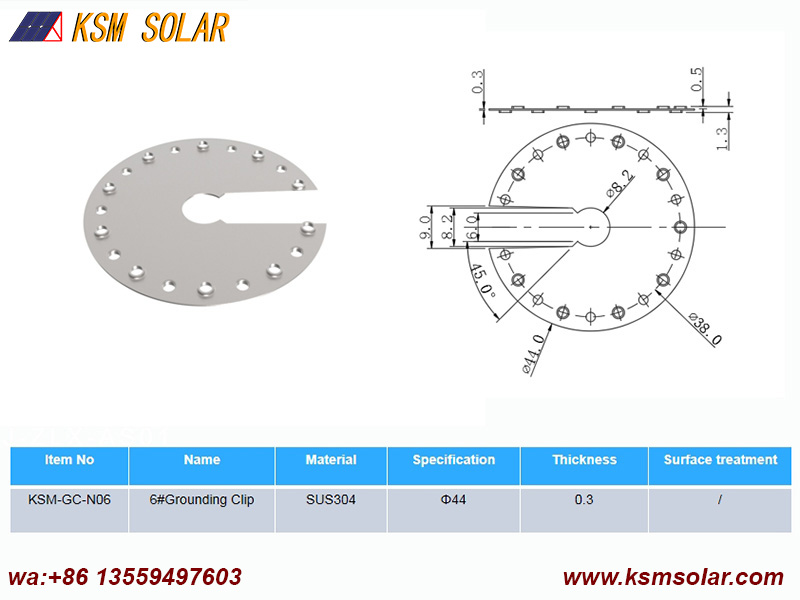
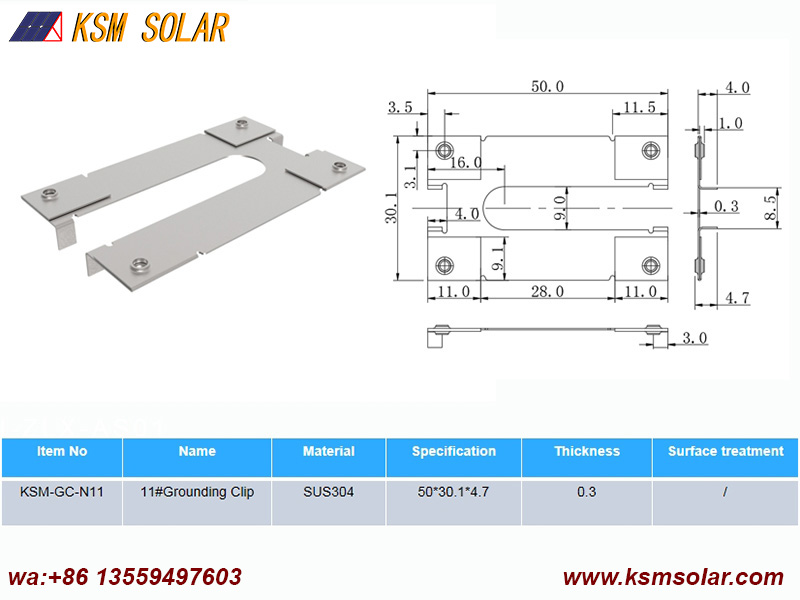
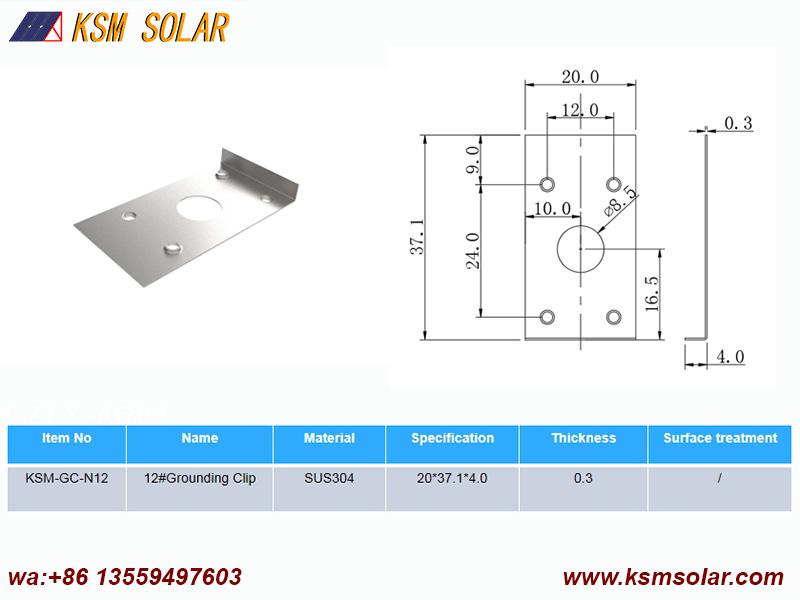
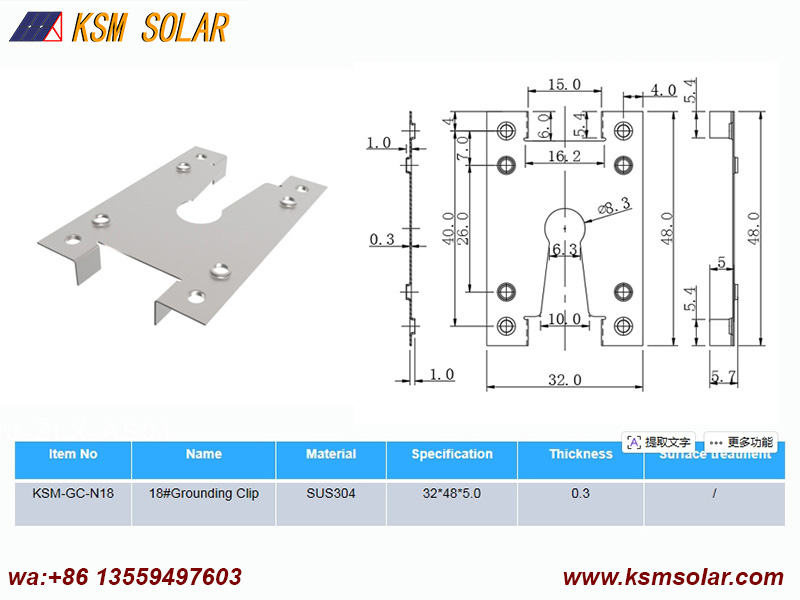
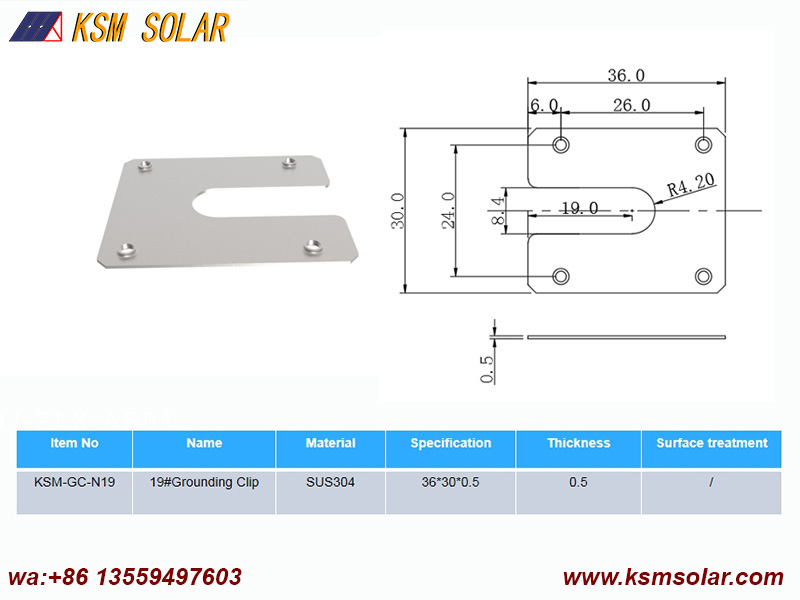
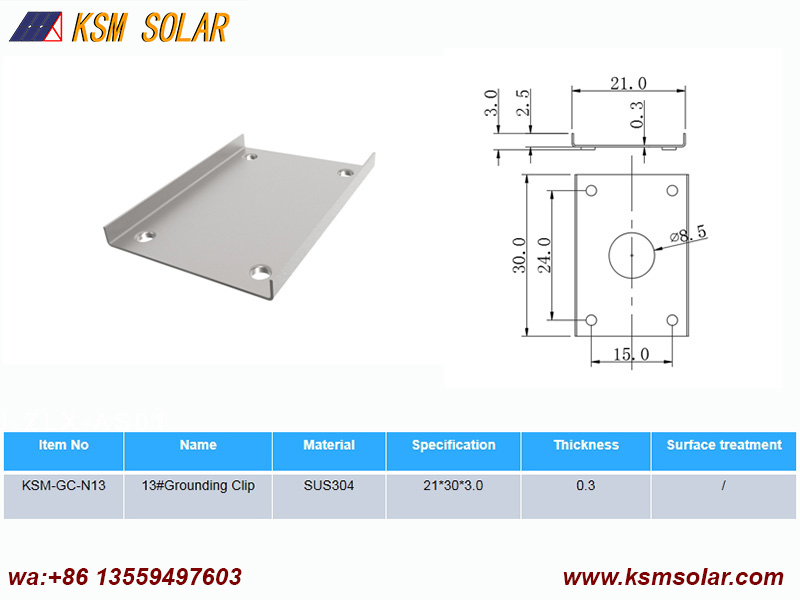
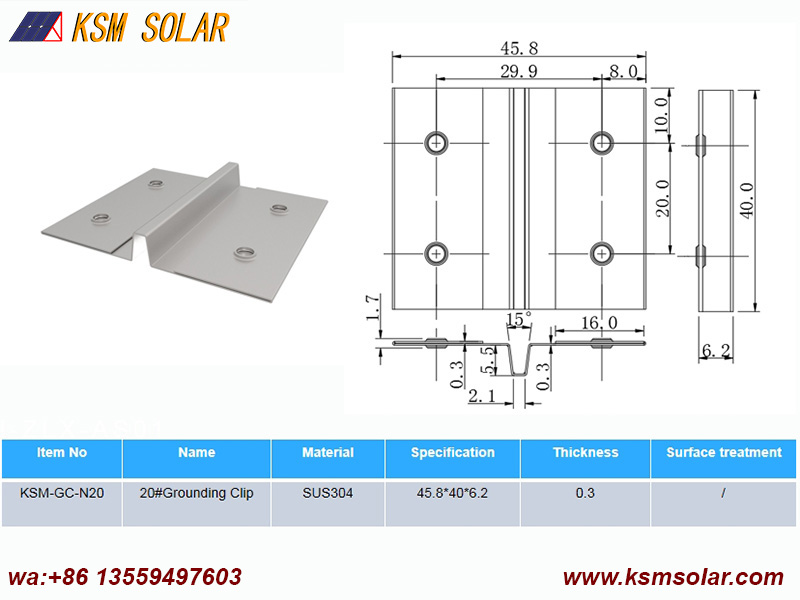
Grounding Clip
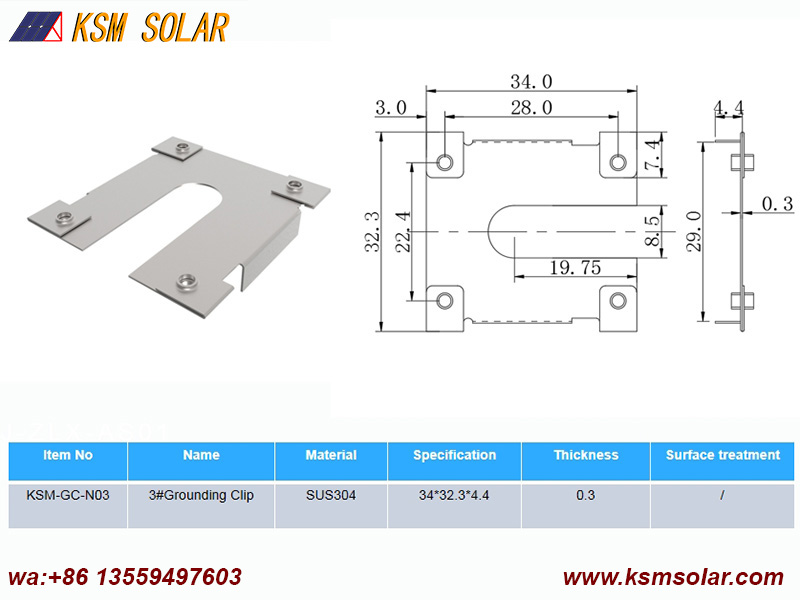
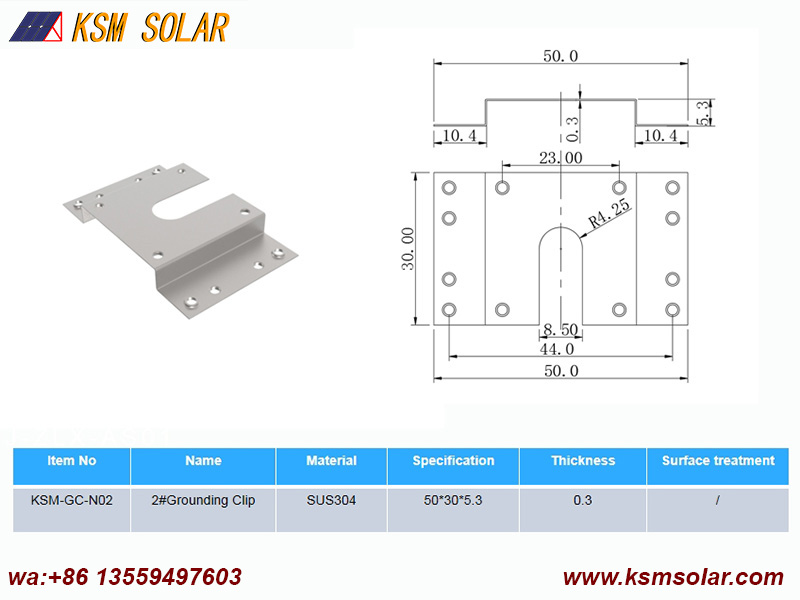
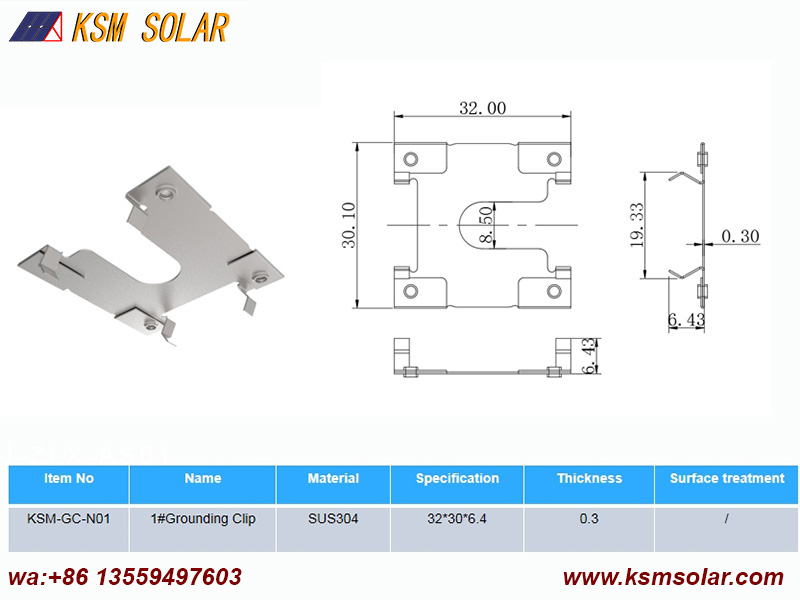
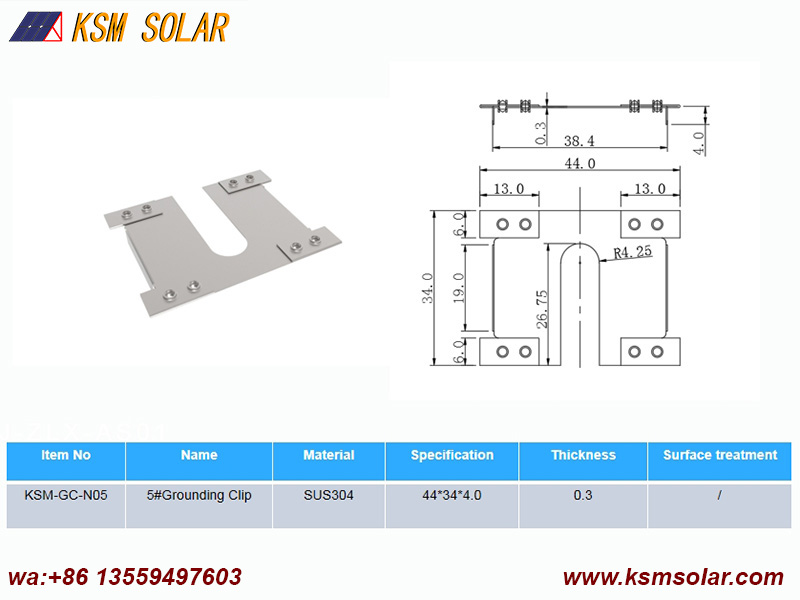
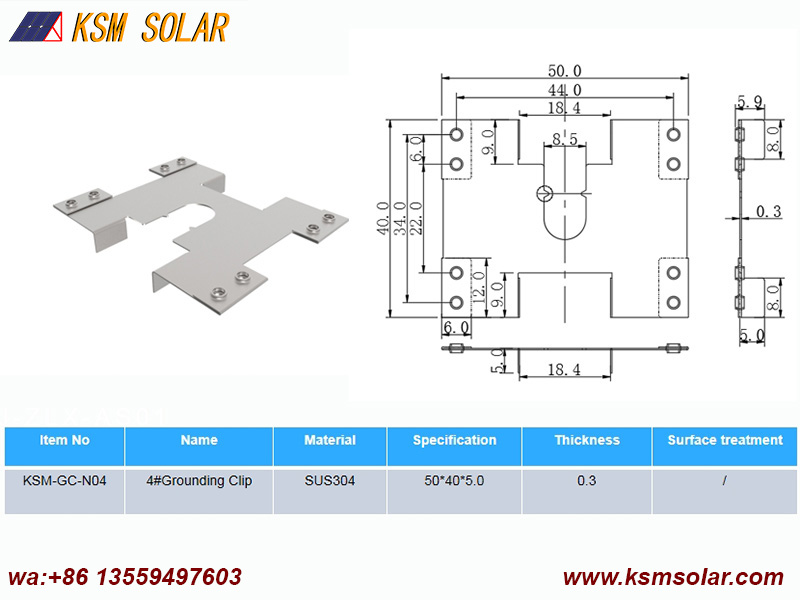
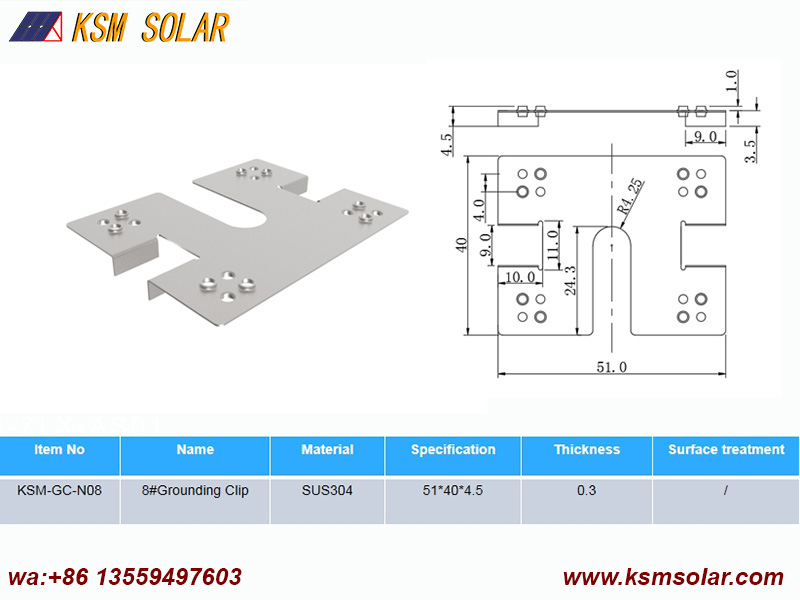
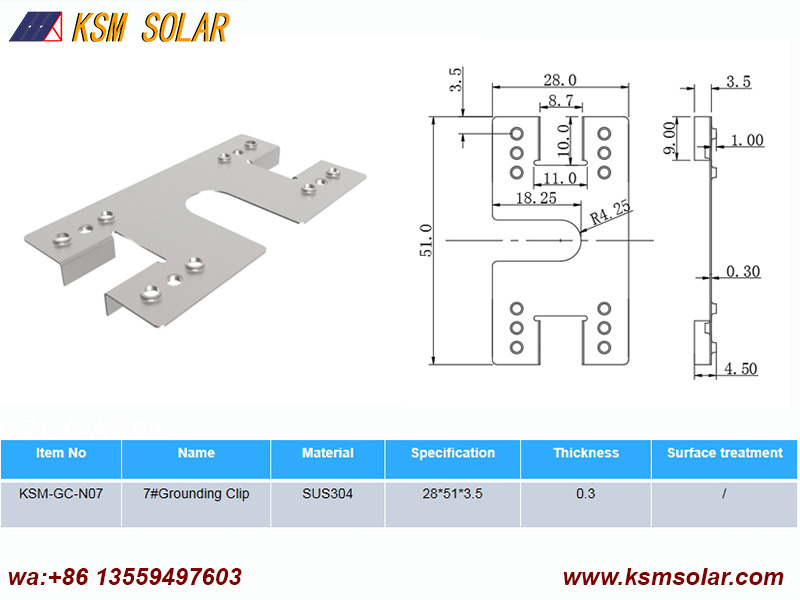
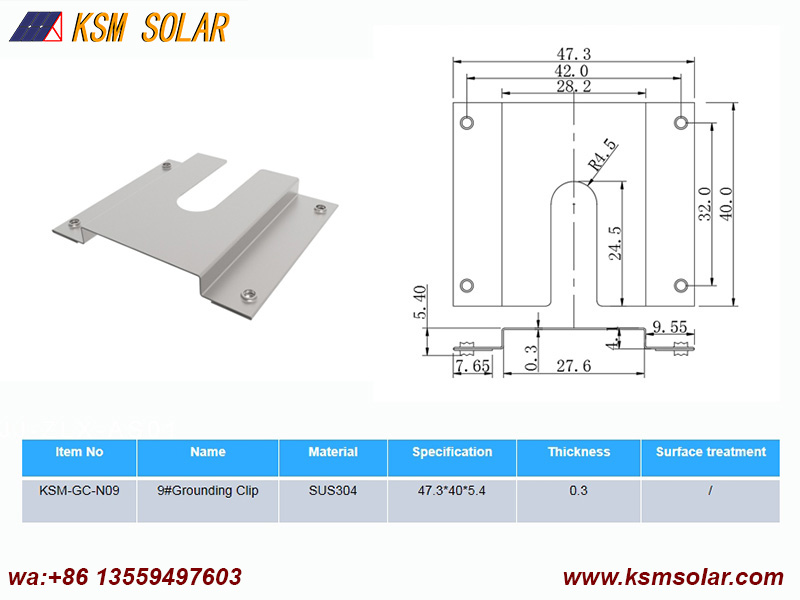
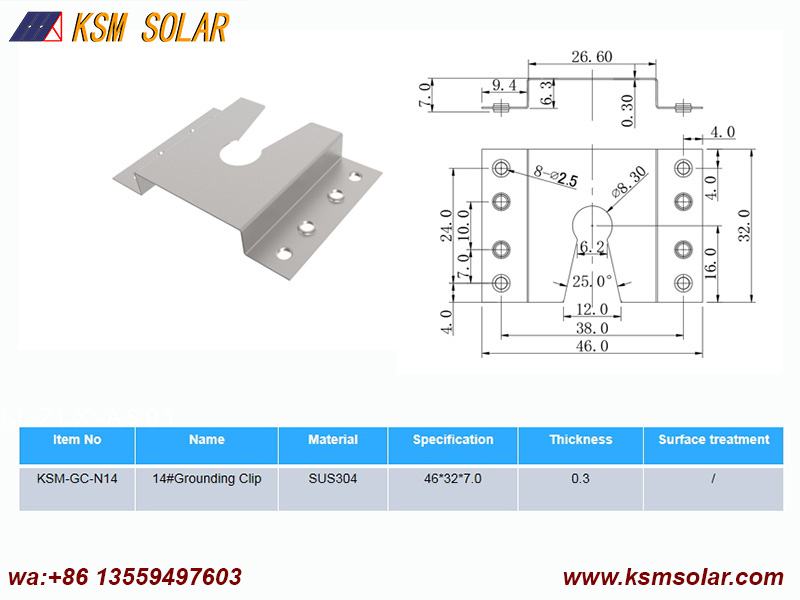
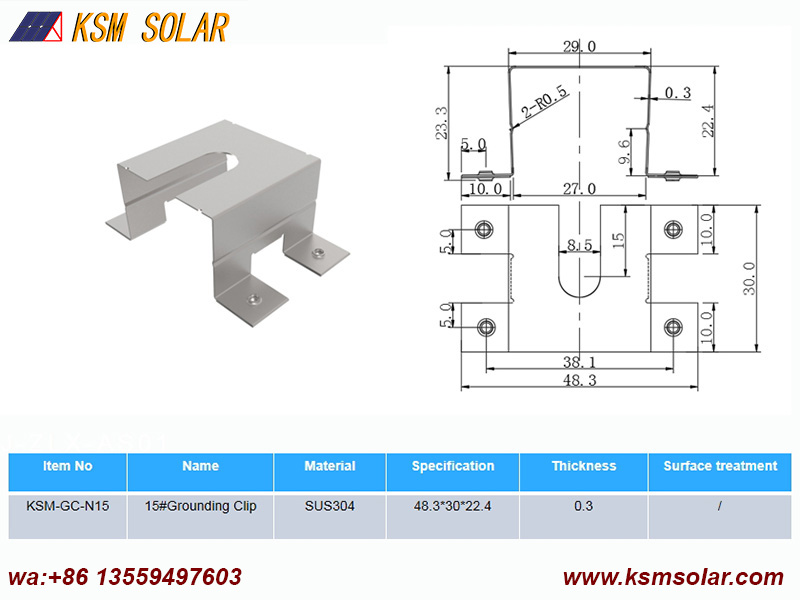
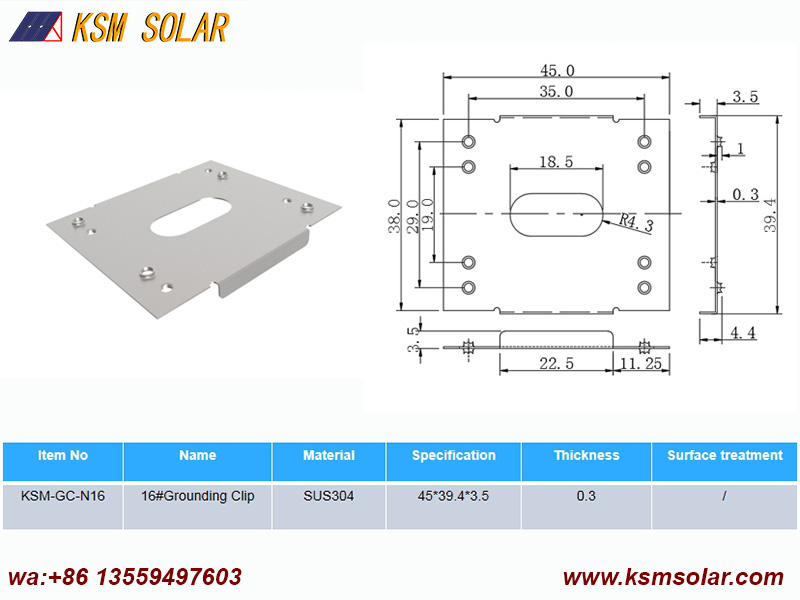
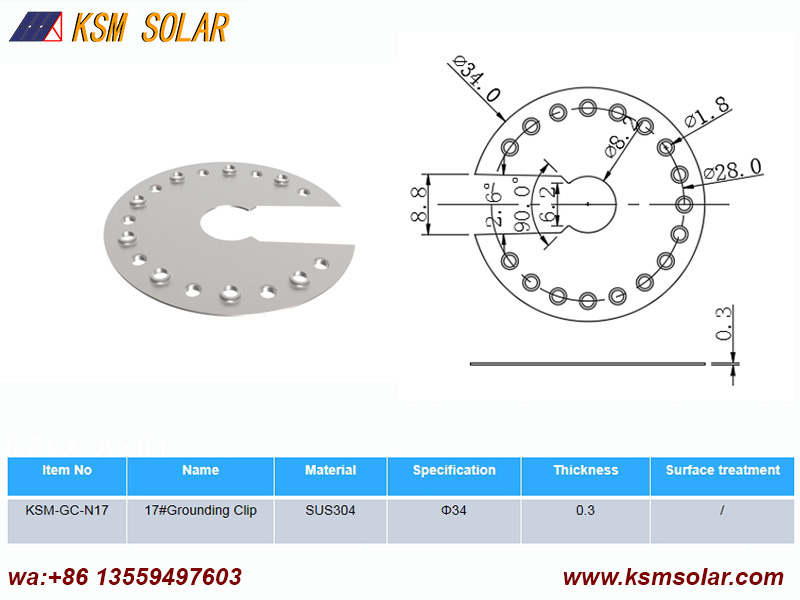
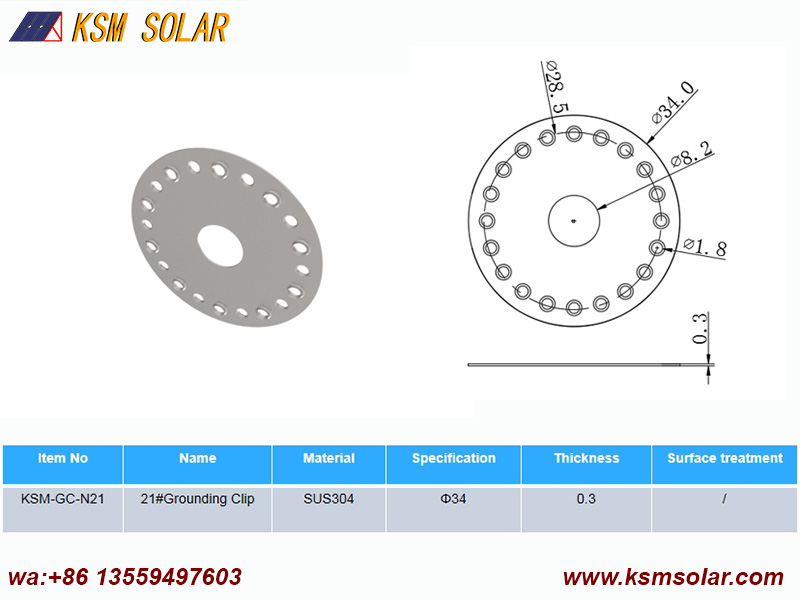
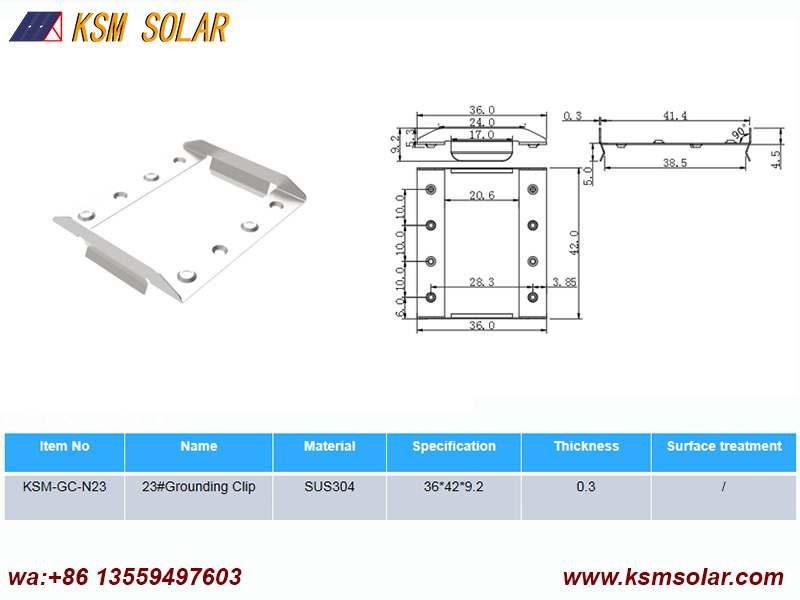
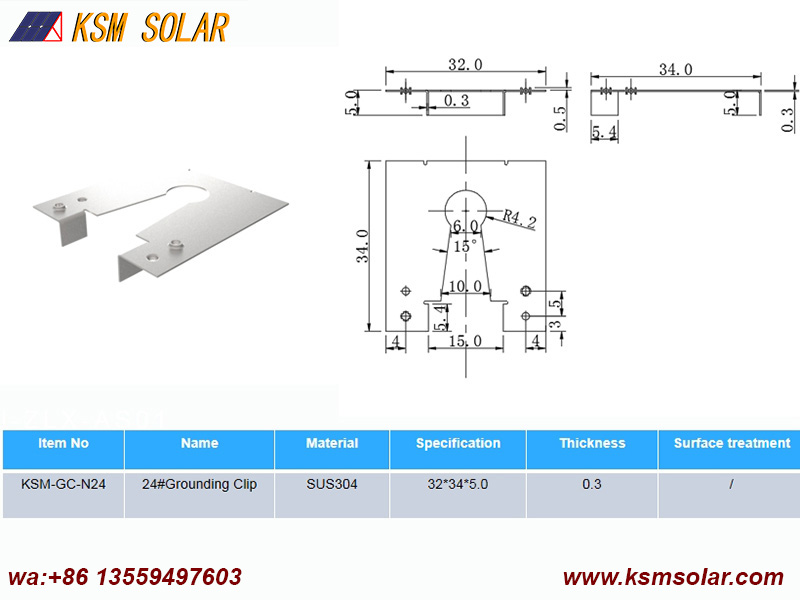
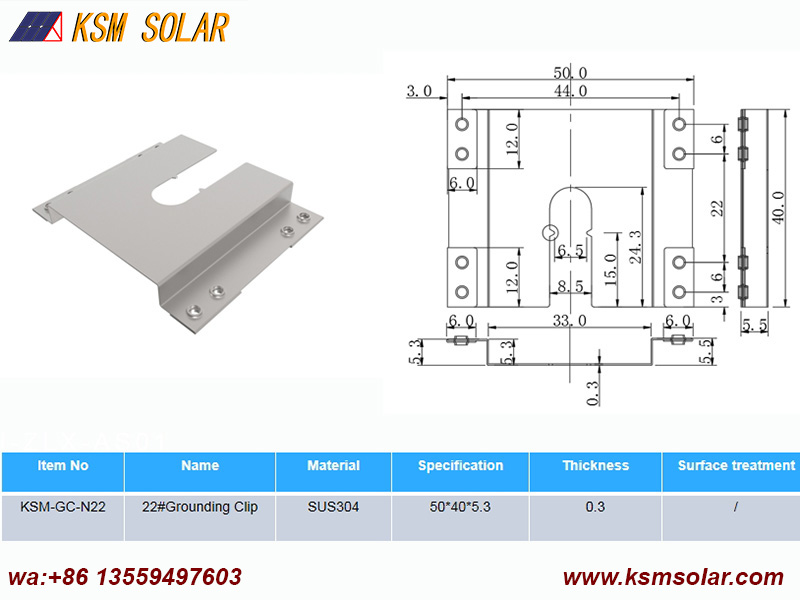
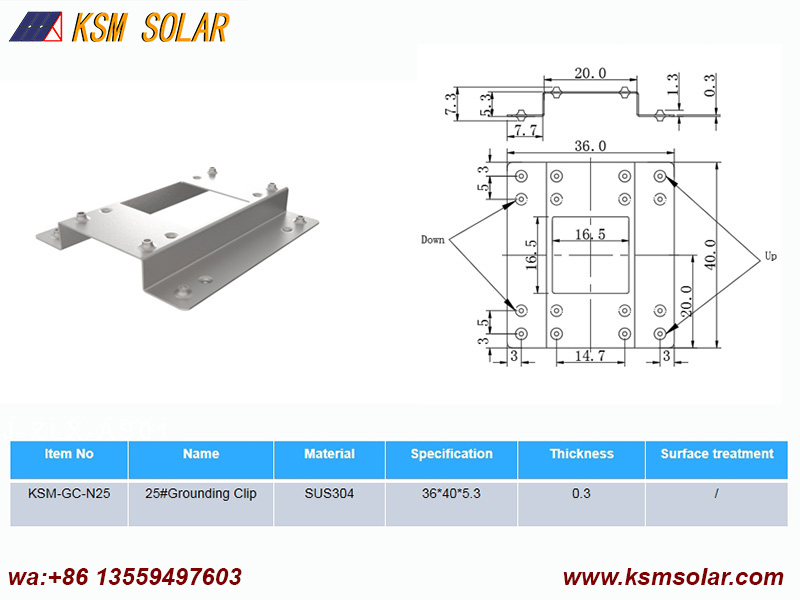
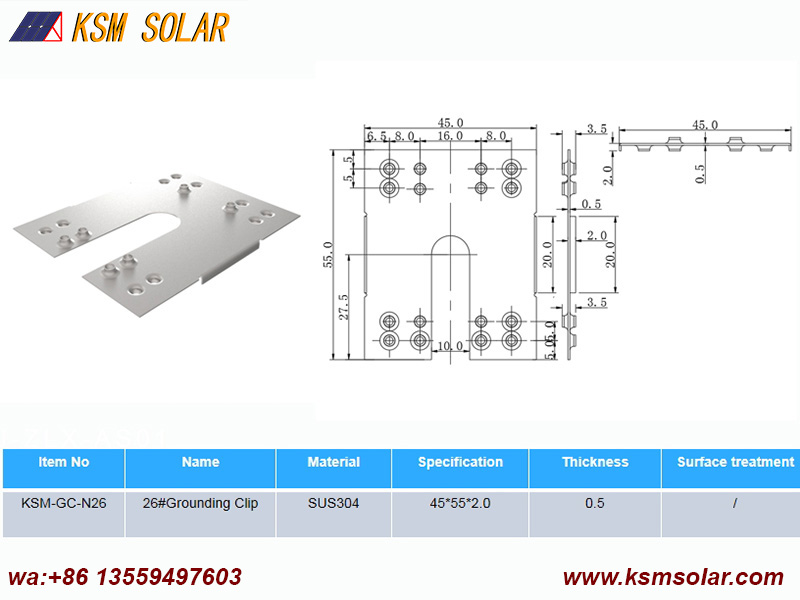
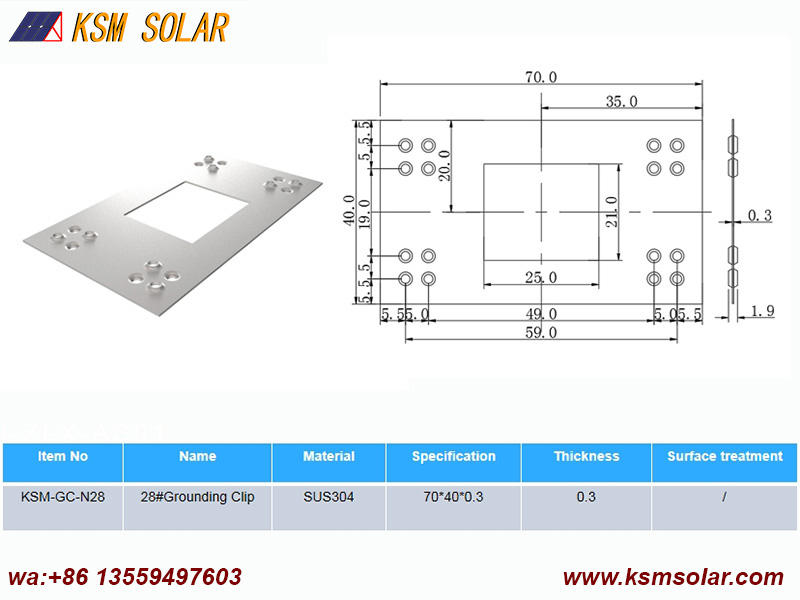
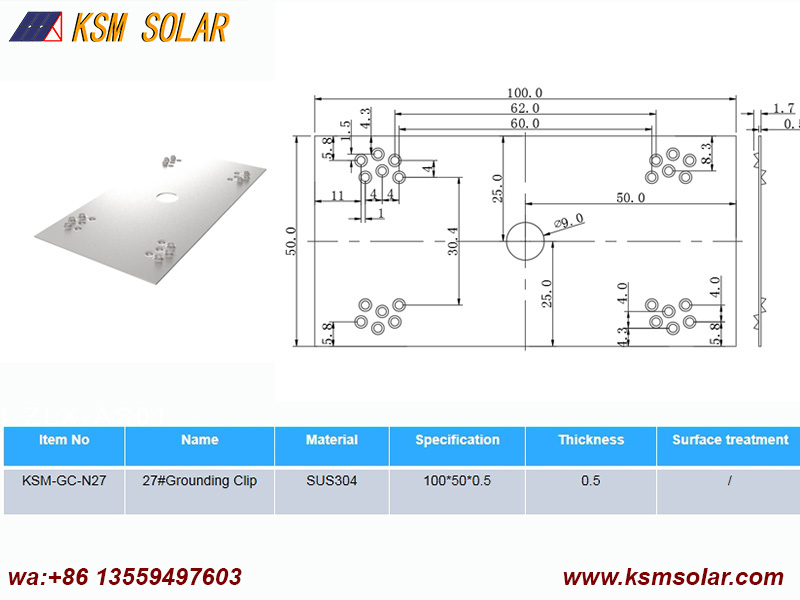
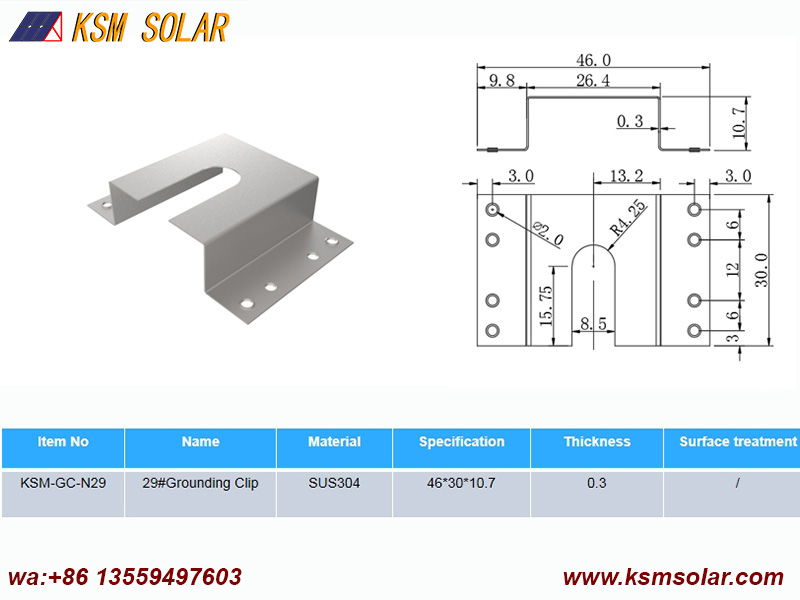
A penetrating conductive clip is a small, metallic device used to create a reliable electrical bond between a solar panel frame and the mounting structure. Its defining feature is its integrated sharp teeth or serrations, which are designed to physically bite through the aluminum oxide layer to establish a low-impedance path to ground.
Core Functional Principle: Oxide Penetration
Mechanical Abrasion: Solar module frames are made of aluminum, which is anodized for corrosion protection. This anodized layer is electrically insulating. The primary function of the penetrating clip is to mechanically break through this insulating layer
Gas-Tight Connection: The teeth are designed to embed into the bare aluminum under high pressure. This creates a "gas-tight" connection, meaning it excludes oxygen and prevents the re-formation of the oxide layer at the point of contact, ensuring a long-lasting, low-resistance bond
Equipment Grounding: These clips establish the bond between the module frame (which needs to be grounded) and the mounting rail (which is connected to the grounding electrode system), satisfying electrical code requirements for equipment grounding
Design and Tooth Geometry
Integrated Serrations: The most common design features multiple sharp points or serrations stamped into a stainless steel body.The washer, for example, is a toothed disk that sits between the module frame and the mounting rail.
Clip Configuration: Some designs, like the SOLARLOK grounding clip, are shaped to slide onto the module frame and are secured by the mid-clamp, with the teeth biting into the frame as the clamp is tightened
Placement: These clips are typically inserted between the mid-clamp/end-clamp and the module frame. When the clamp is torqued down, the clamping force drives the teeth into the frame material
Material Composition
Stainless Steel: The vast majority of penetrating clips are made from hardened stainless steel (commonly 304 Series Stainless Steel)