Welcome to KSM SOLAR


Photovoltaic accessories
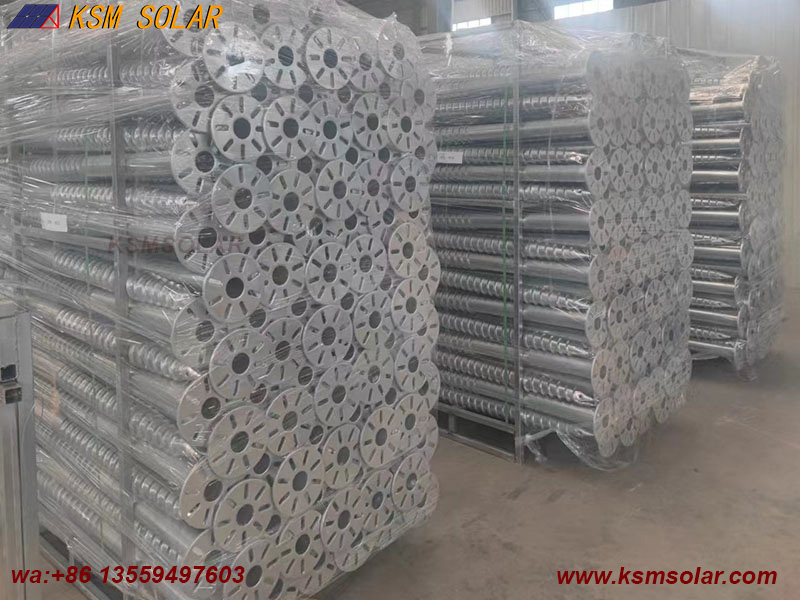
Ground Screw
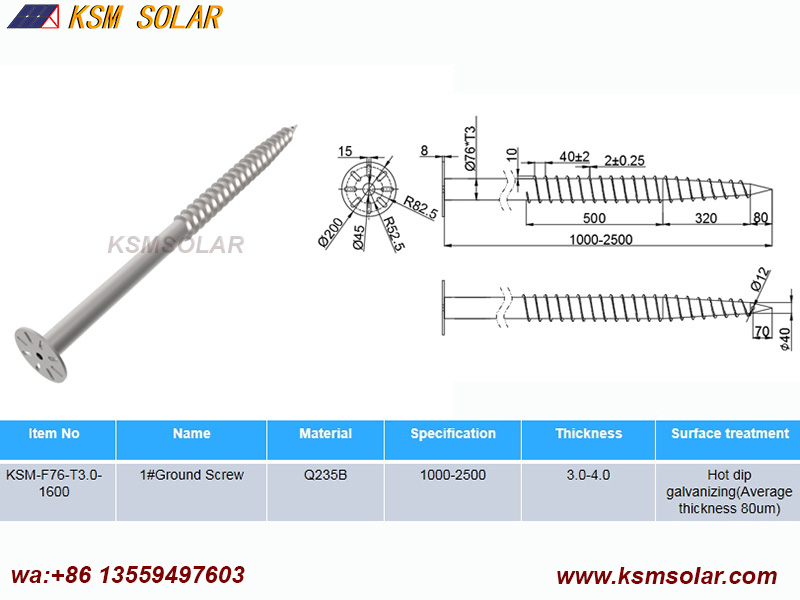
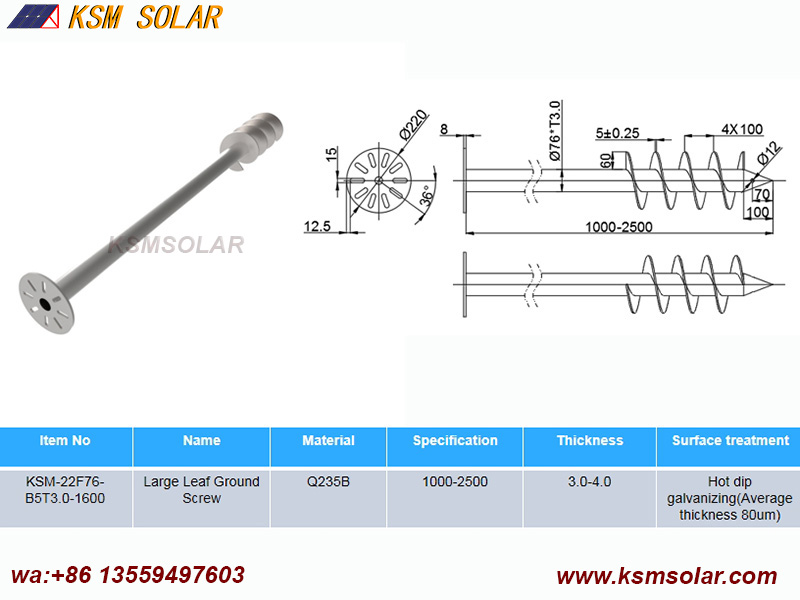
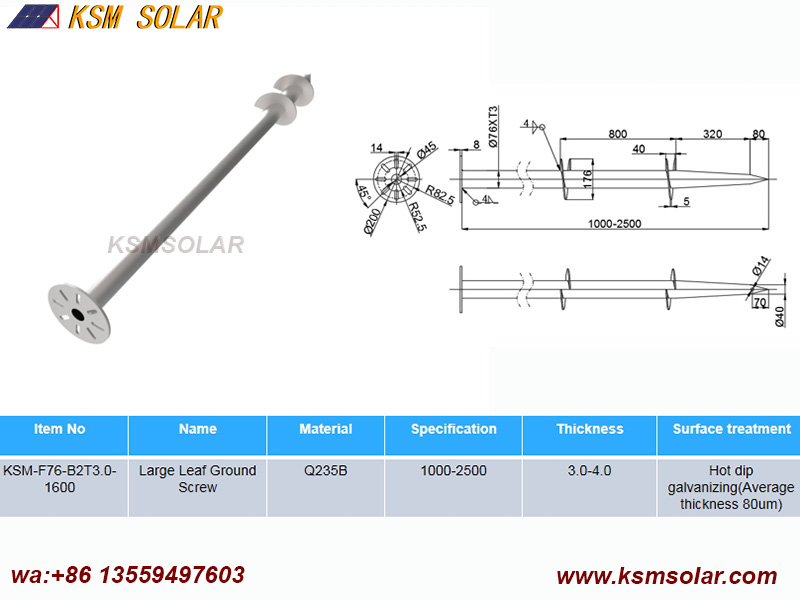
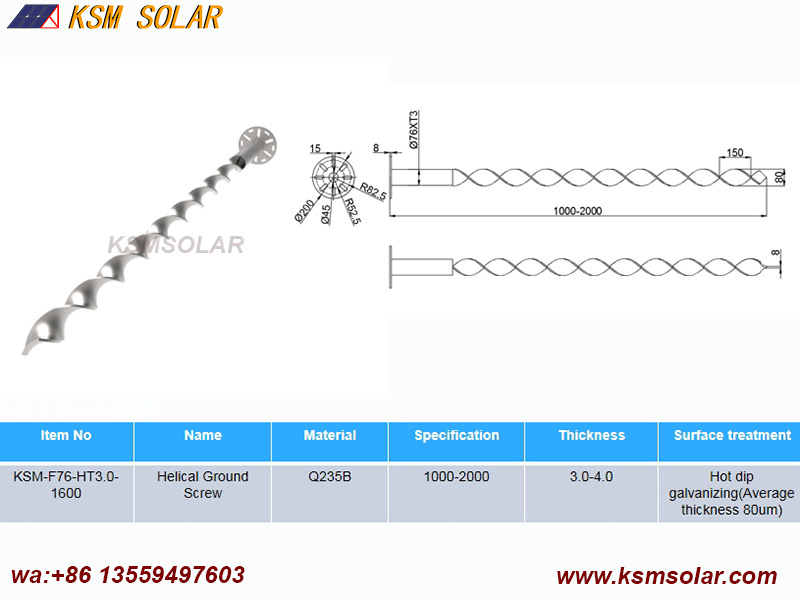
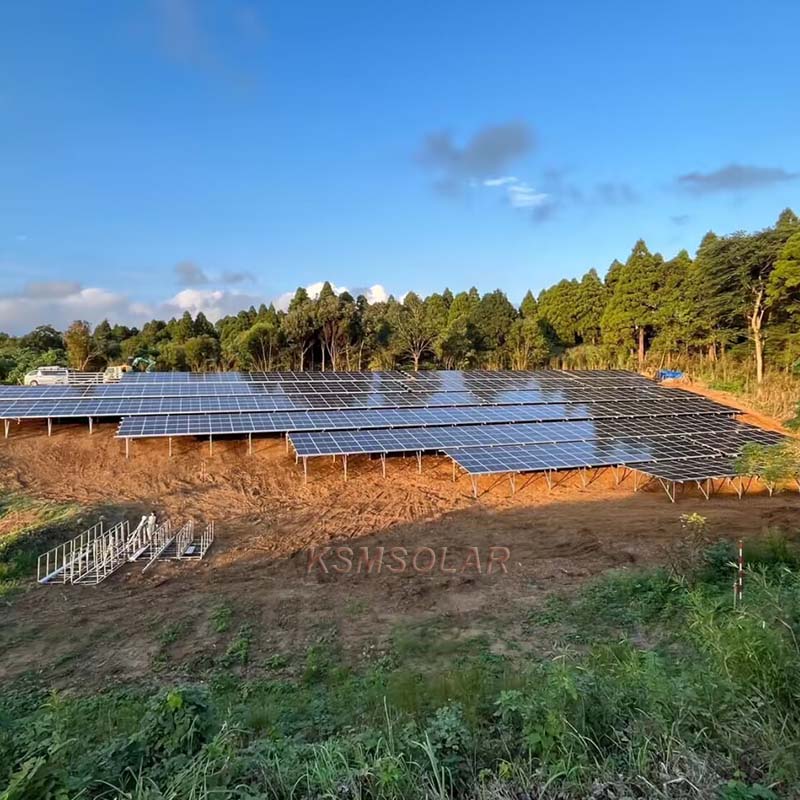
A PV ground screw, also known as a helical pile or earth screw, is a deep foundation element used to secure ground-mounted solar racking systems. Its defining characteristic is its helical bearing plates (screw-like blades) welded to a central steel shaft, which allow it to be rotated into the ground like a screw, providing structural support without excavation or concrete
Core Functional Principle: Screw Anchorage
Torque-Driven Installation: The ground screw is mechanically rotated into the soil using hydraulic drive heads attached to excavators or compact track loaders. The rotational force (torque) advances the screw into the ground while minimizing soil disturbance.
Load Transfer: The helical blades transfer structural loads (gravity, wind uplift, seismic forces) from the solar array into the surrounding soil. The bearing capacity is derived from the soil's resistance against the helical plates, not from friction along the shaft alone.
Immediate Load-Bearing: Unlike concrete foundations which require curing time, ground screws can support loads immediately after installation, accelerating project timelines.
Structural Configuration and Design Variations
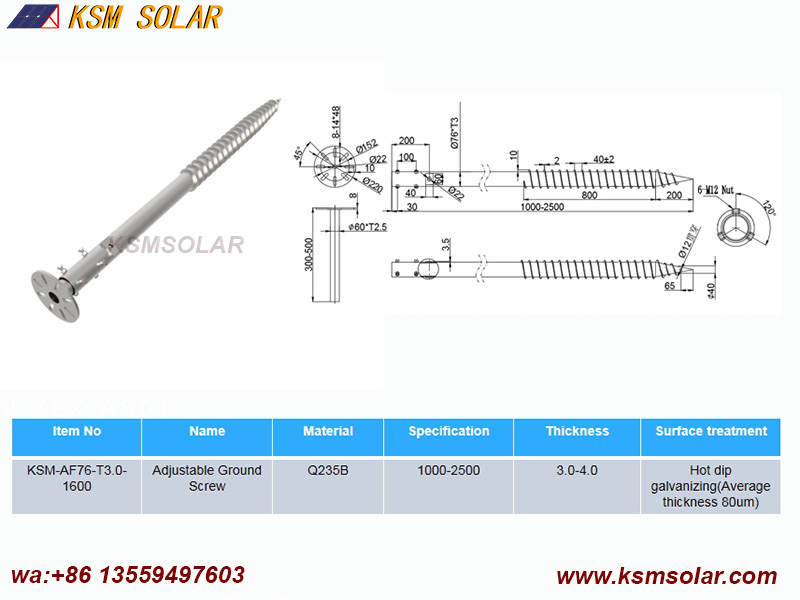
Central Shaft: Typically fabricated from high-strength steel pipe (round) or square tubing. Common diameters range from 48mm to 89mm, with wall thicknesses between 2.0mm and 4.0mm depending on load requirements.
Helical Blades: The screw-like plates welded to the shaft. Key variations include:
Single, Double, or Triple Helices: Multiple blades provide increased bearing capacity, especially in soft or sandy soils
Narrow Continuous Helix: A single continuous flighting along the shaft, suitable for cohesive soils.
Broad Interval Helix: Widely spaced individual plates, recommended for high-wind zones due to superior pull-out resistance.
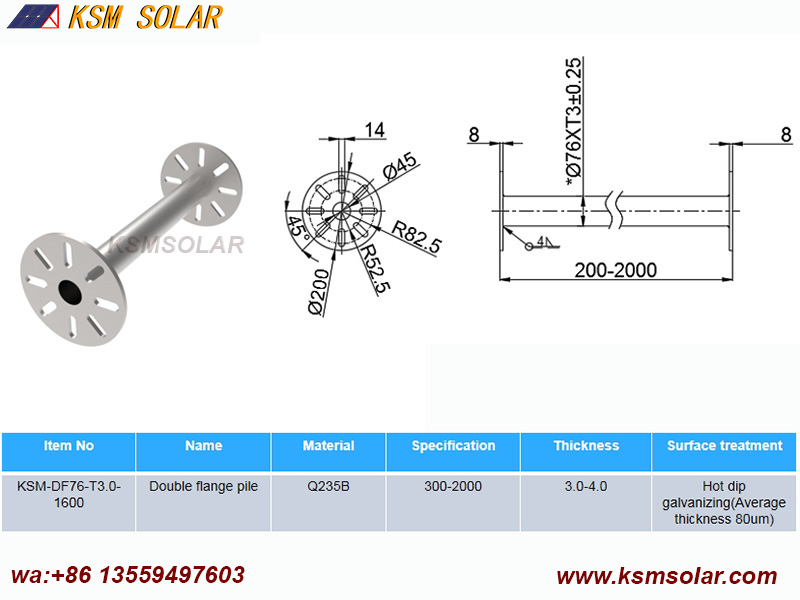
Flange or Bracket Connection: The exposed top of the ground screw features a flange plate (round or U-shaped) with pre-drilled holes for bolting directly to the solar racking structure. This allows for adjustable connections to accommodate uneven terrain.