Welcome to KSM SOLAR


Photovoltaic accessories
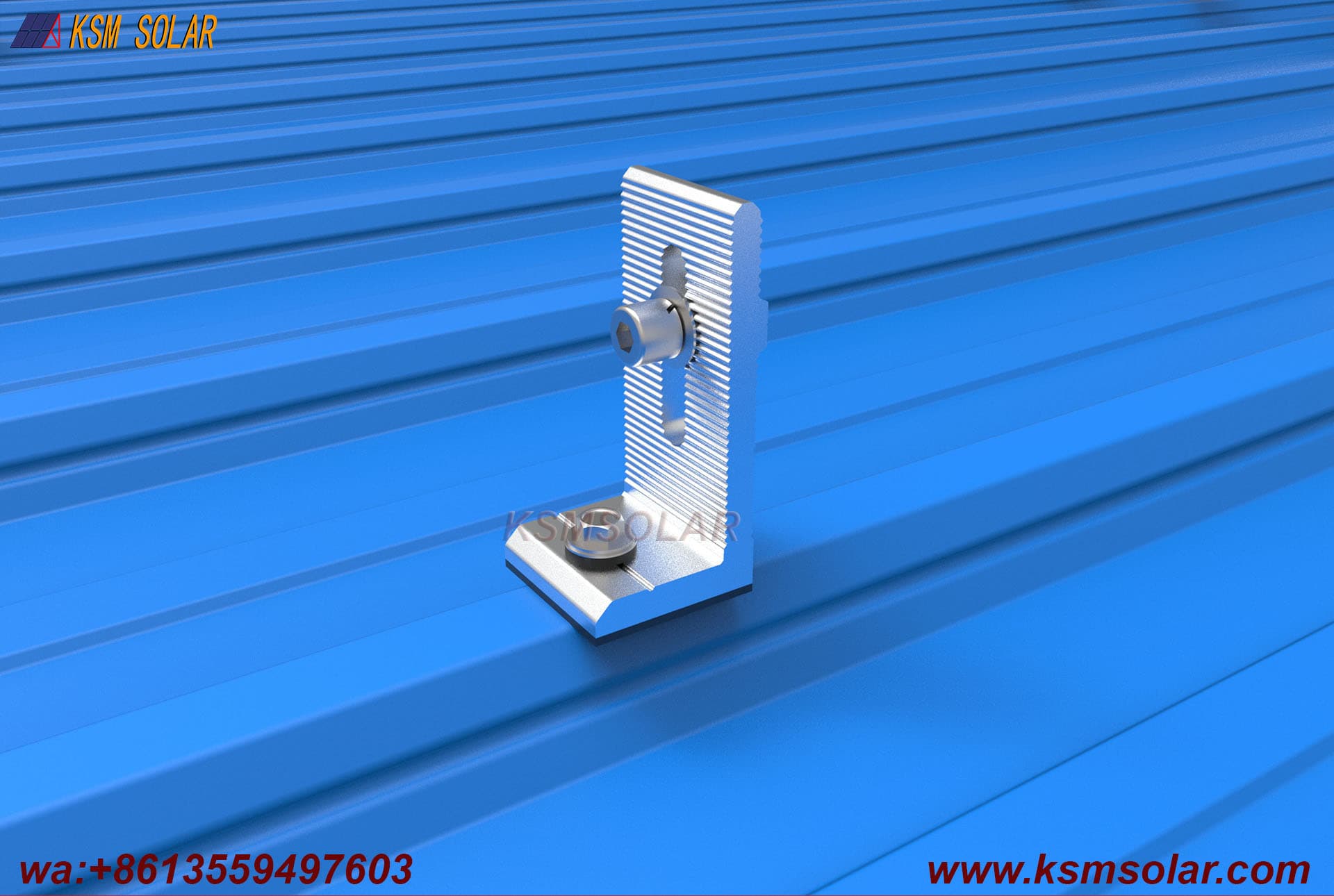
L Feet
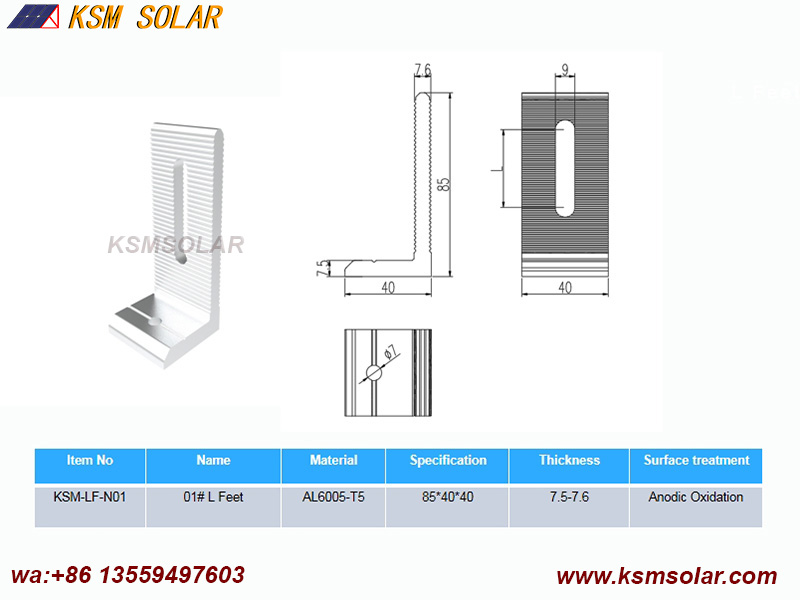
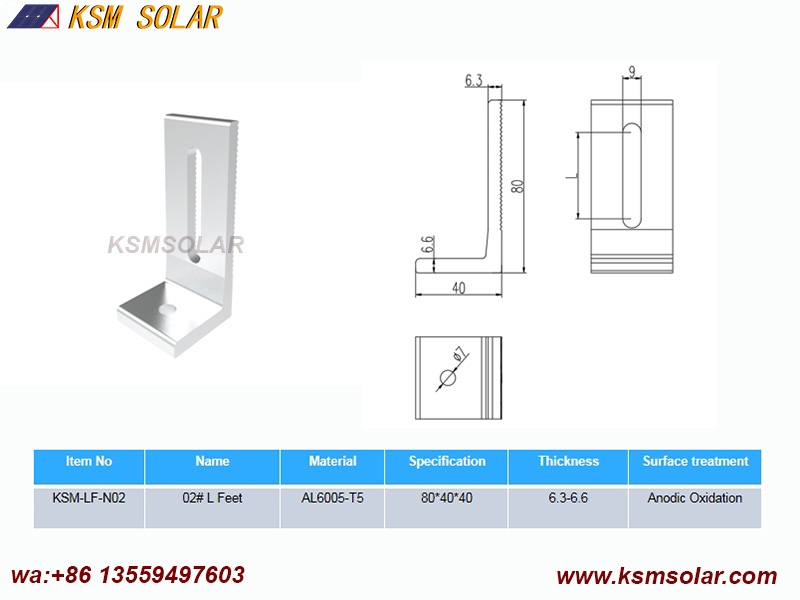
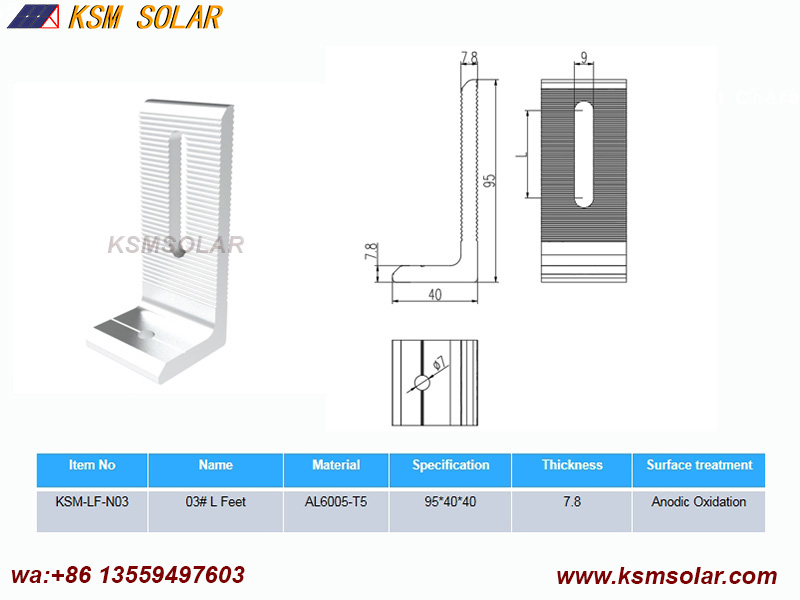
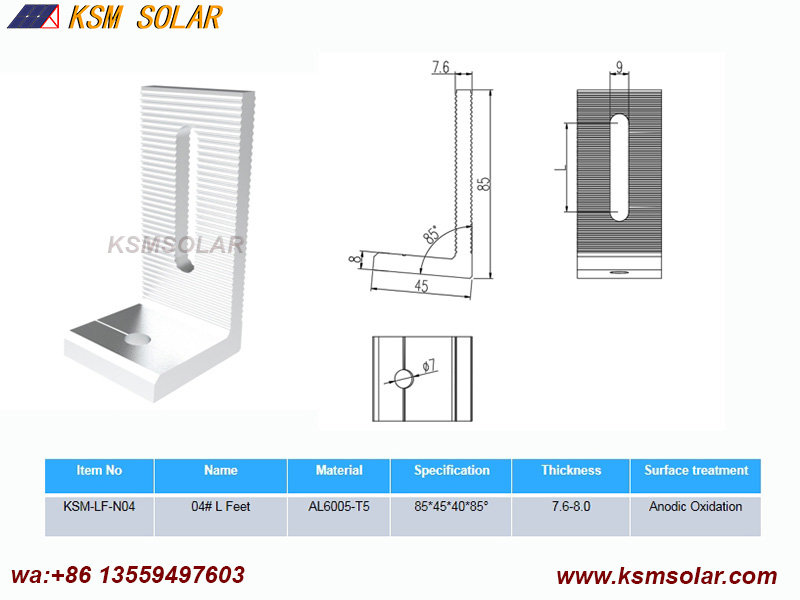
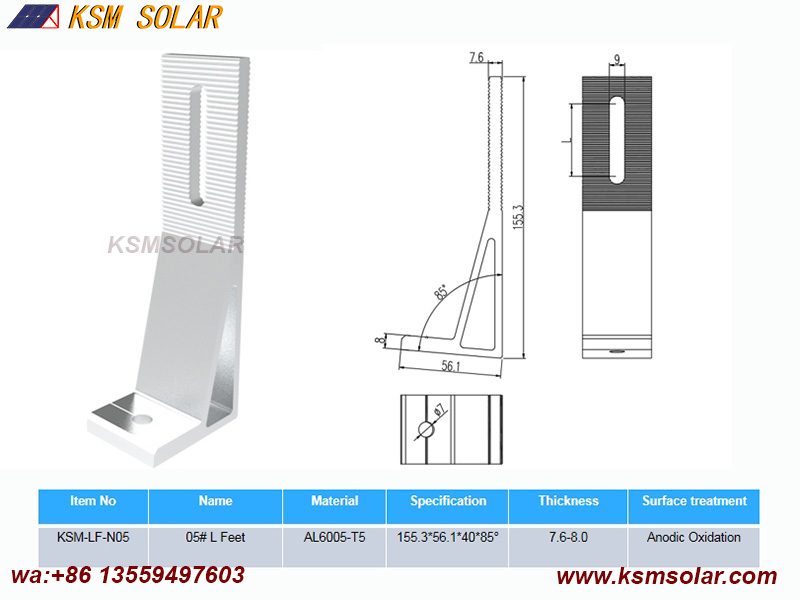
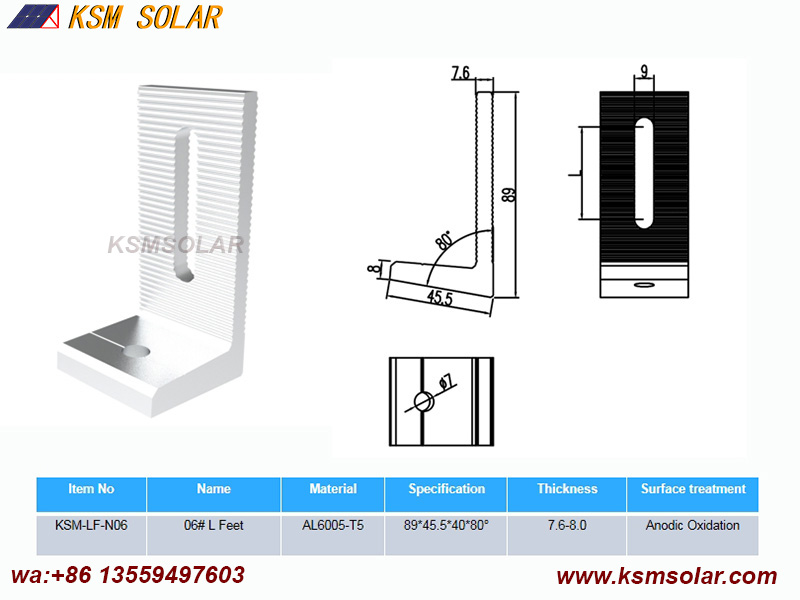
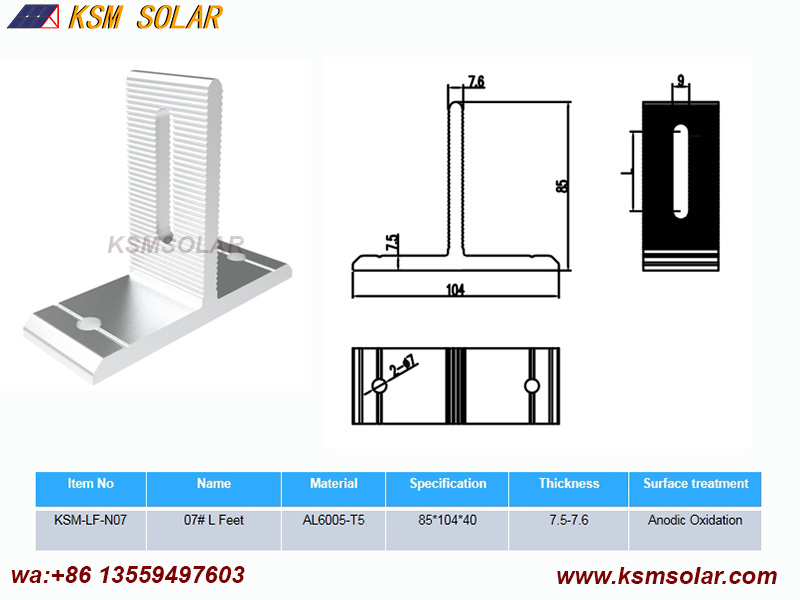
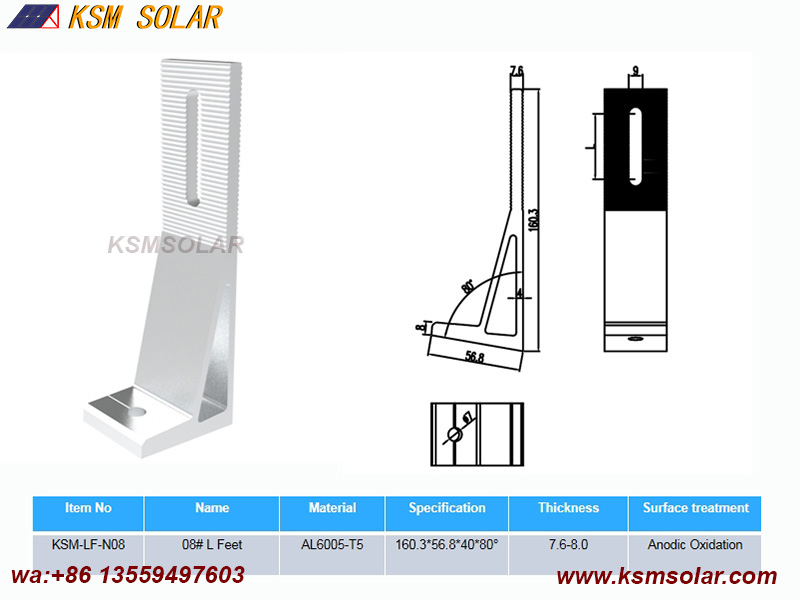
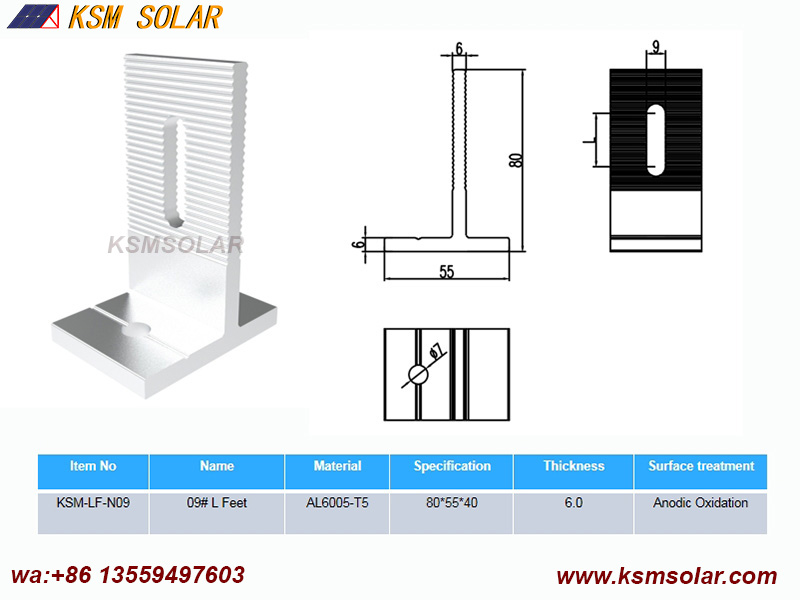
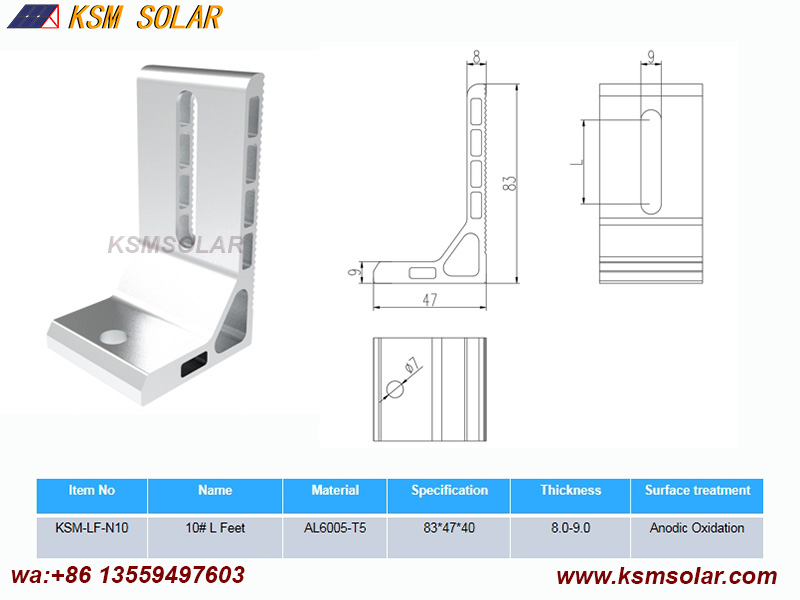
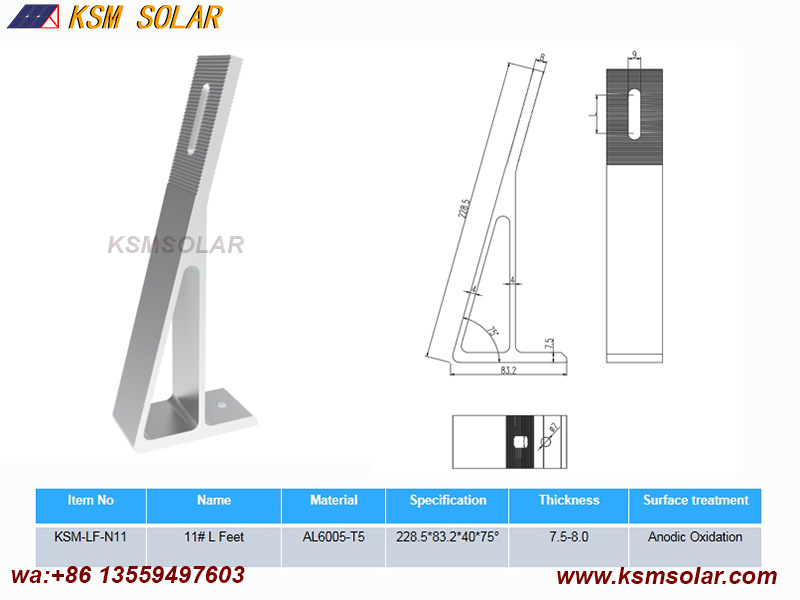
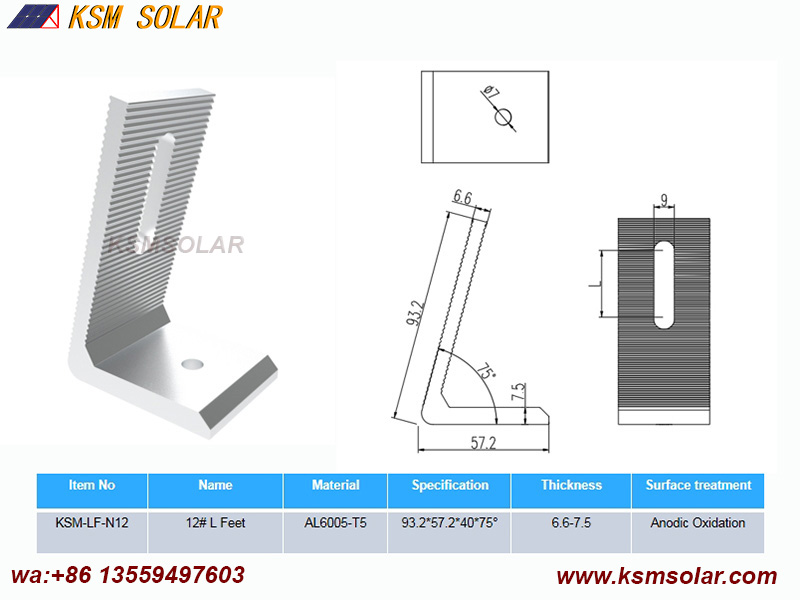
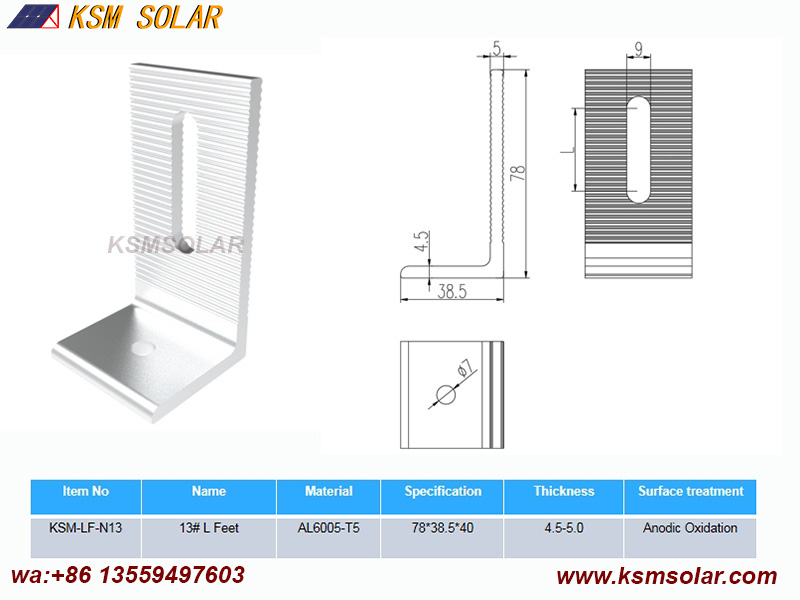
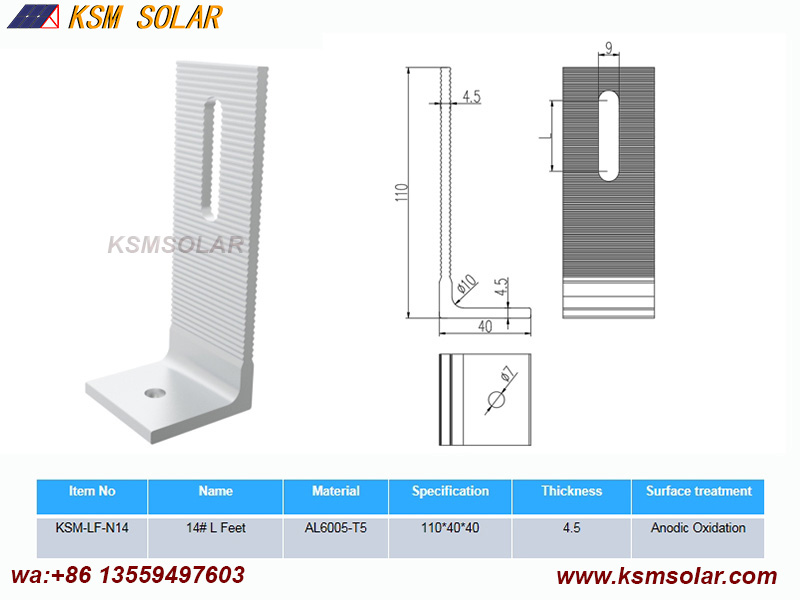
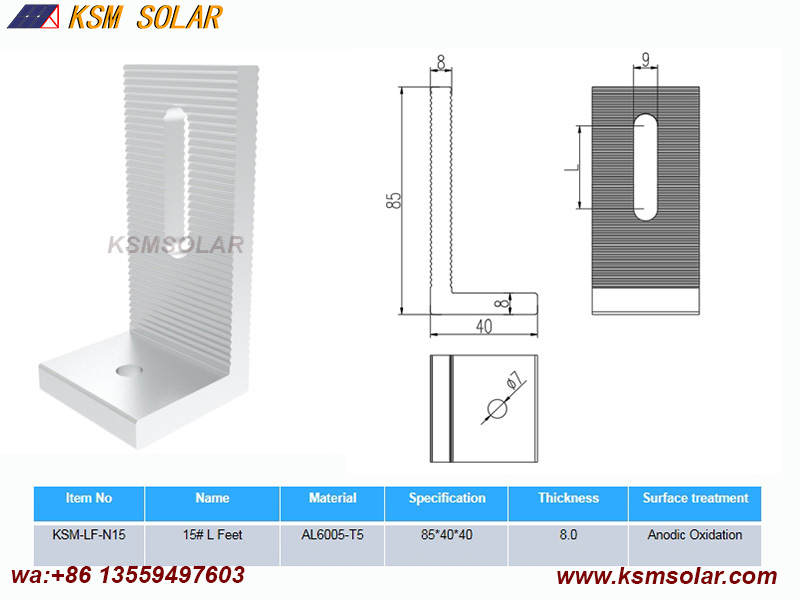
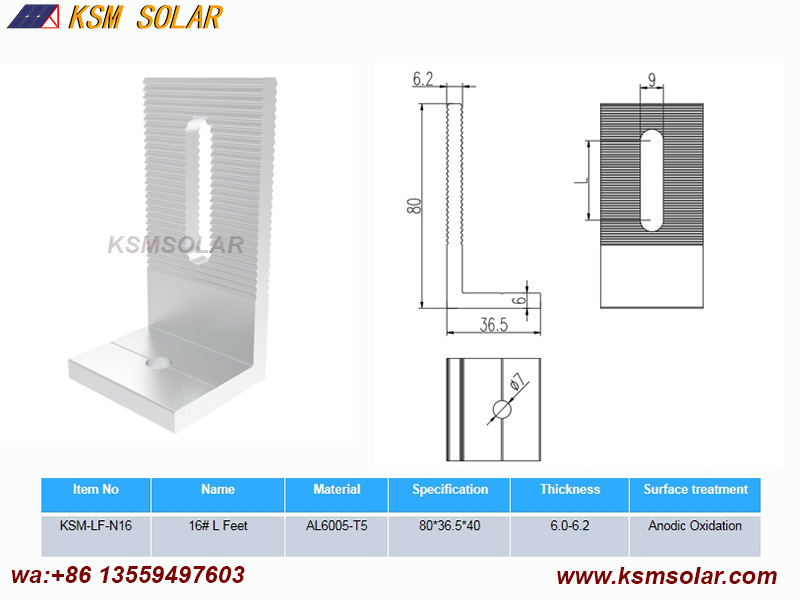
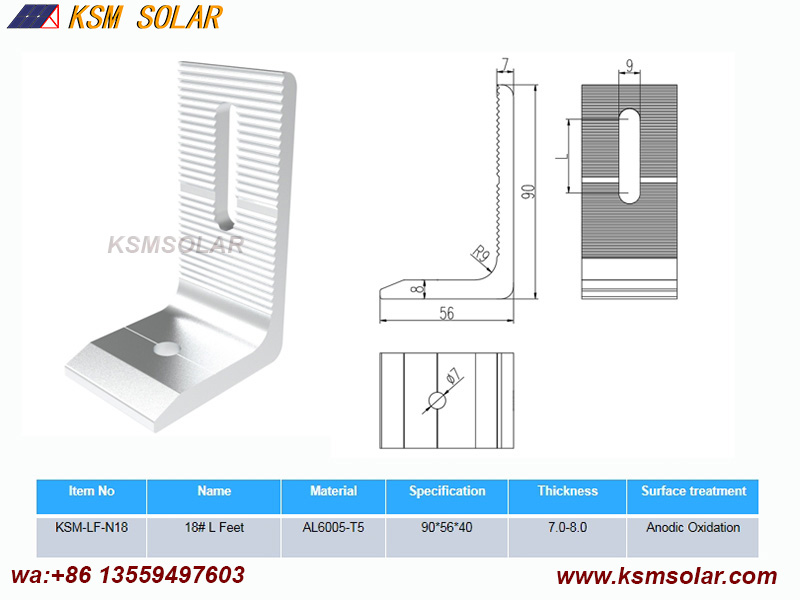
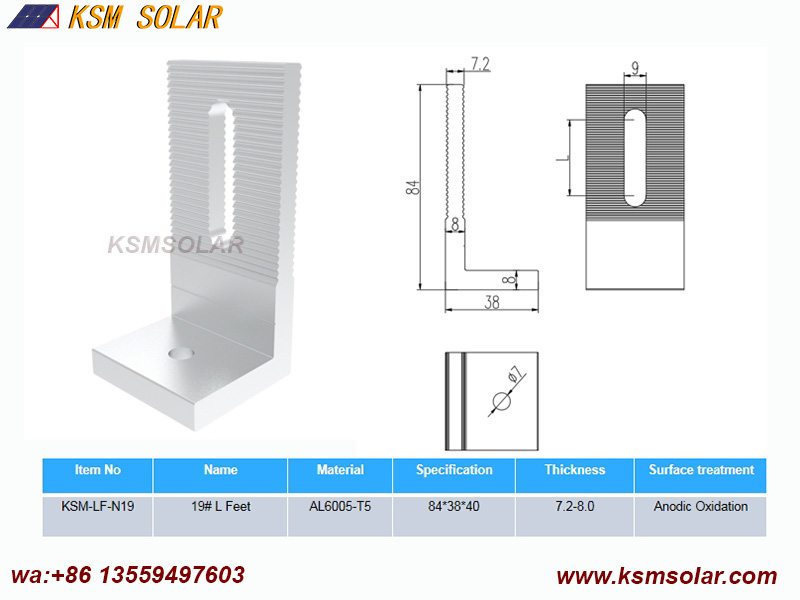
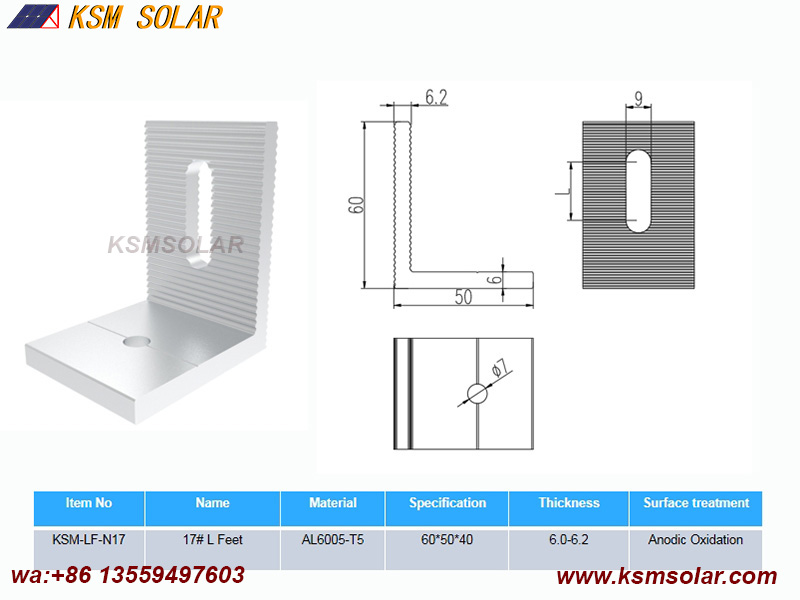
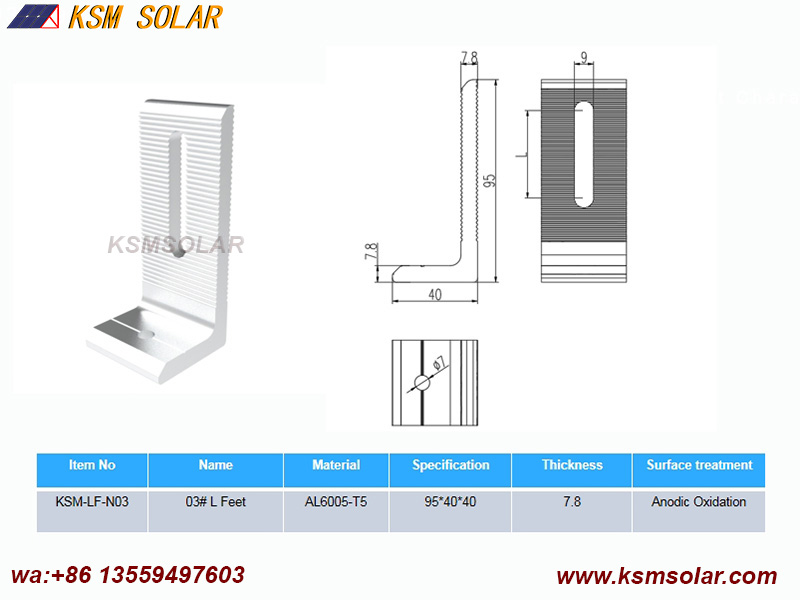
The L-foot is a structural bracket used to connect solar mounting rails to the roof or foundation. Its defining feature is its perpendicular geometry, which creates a standoff gap and transfers loads from the horizontal plane of the array to the vertical plane of the attachment point.
Core Functional Principles
Load Path Redirection: The primary function is to change the direction of the load path. It receives downward (gravity) and lateral (wind) forces from the horizontal mounting rail and transfers them vertically down into the roof attachment (lag bolt, concrete anchor, or clamp) .
Standoff Creation: By design, the vertical leg of the "L" lifts the mounting rail (and thus the solar panels) off the roof surface. This creates a critical gap for:
Airflow: Allows cooling air to circulate under the panels, improving electrical efficiency.
Cable Management: Provides a pathway for wiring to run neatly under the array.
Debris Clearance: Prevents the buildup of leaves and debris against the roof.
Adjustability: The L-foot provides a multi-axis adjustment point, allowing installers to fine-tune the position of the rails to correct for minor roof irregularities and ensure the array is perfectly aligned.
Material Composition
Structural Aluminum: The vast majority of L-feet are manufactured from high-strength aluminum alloys, such as 6005-T5 . These alloys offer an excellent strength-to-weight ratio and natural corrosion resistance .
Stainless Steel: For high-corrosion environments (coastal areas, chemical plants, agricultural buildings), L-feet may be fabricated from marine-grade 304 or 316 stainless steel. These provide superior longevity but are heavier and more expensive.
Key Design Features and Variations
Slotted vs. Round Holes:
Base: Almost always slotted to allow for lateral adjustment of the foot's position on the roof.
Vertical Leg: Can be slotted (to allow for height adjustment of the rail) or round (for a fixed, high-strength connection).
Pre-Installed Threads: Some advanced L-feet feature a pressed-in or welded stainless steel nut on the vertical leg. This allows the rail attachment bolt to be threaded directly into the foot, eliminating the need for a separate T-nut or spring plate and speeding up installation.
Angled Versions: While standard L-feet are 90°, "angled L-feet" are available with fixed angles (e.g., 5°, 10°, 15°). These are used to provide a built-in tilt for panels on flat roofs or to correct for north-facing slopes on pitched roofs .
Parameters
Material: | AL6005-T5 |
Standard: | ASCE7-10/EU/JISC8955-2017 |
Surface Treatment: | Anodizing/electrophoresis |
Wind Load: | 0-60m/s |
Snow load | 0-150cm |
Warranty | 10 Years |
Service Life | 25 Years |