Welcome to KSM SOLAR


Roof Mounting System
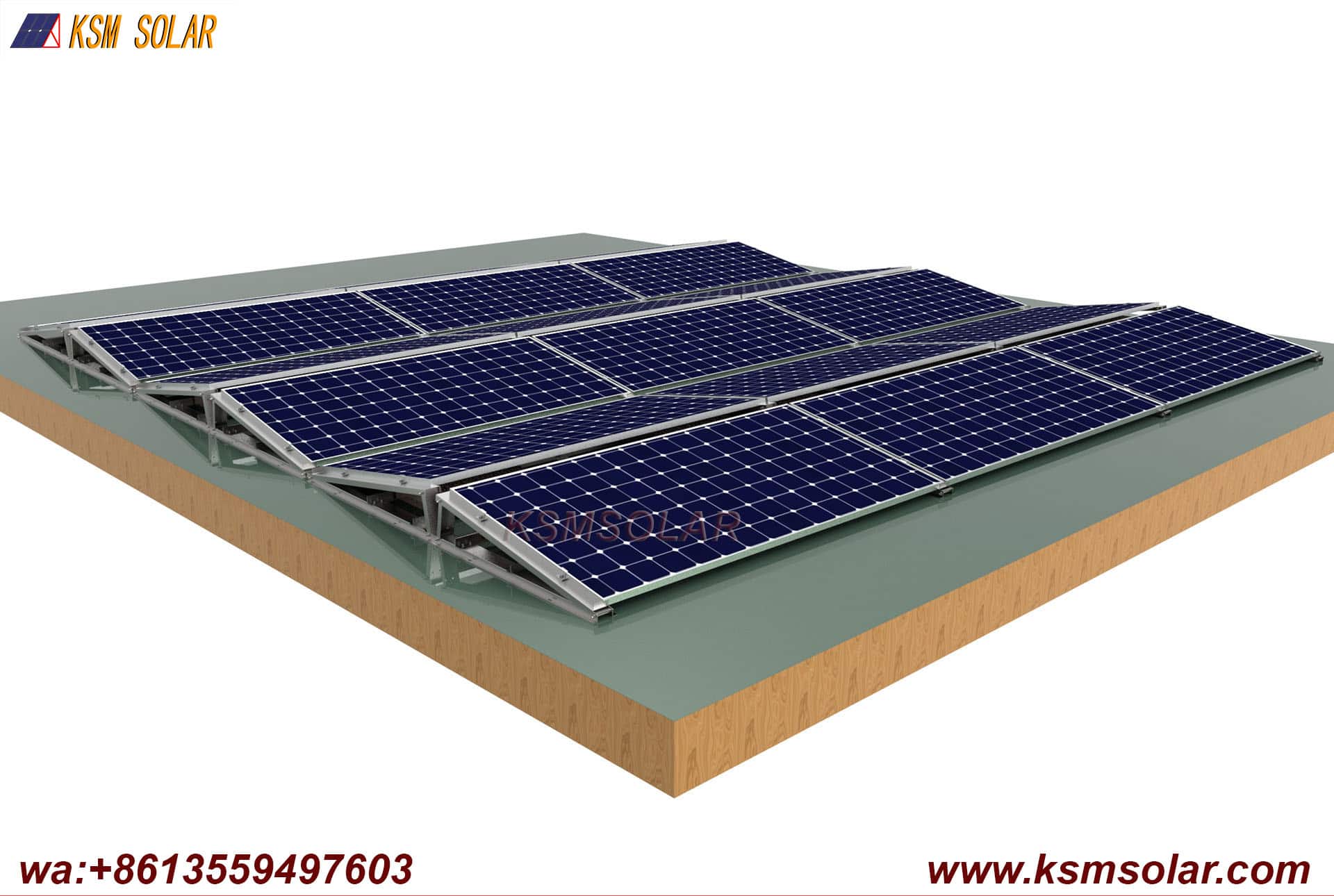
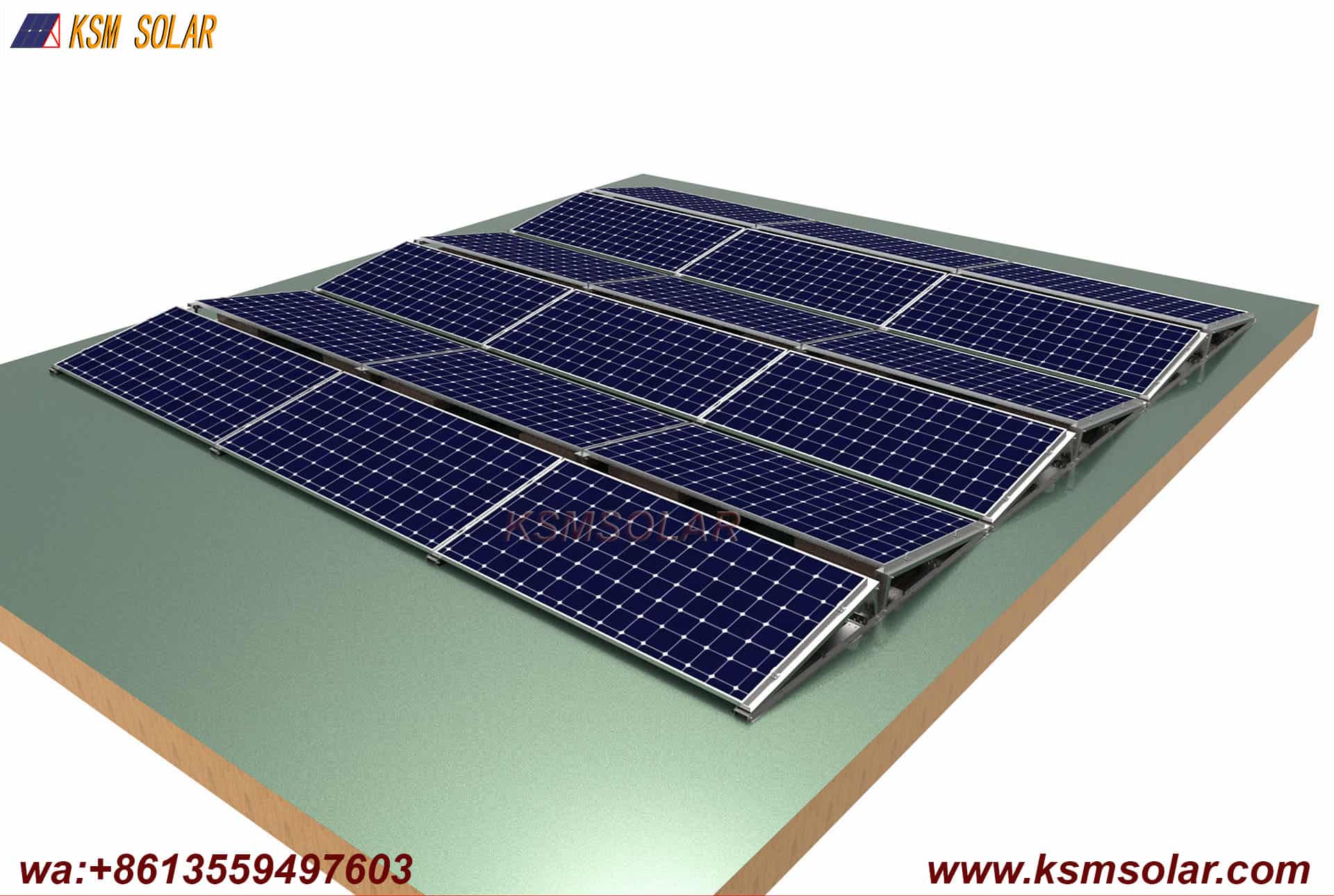
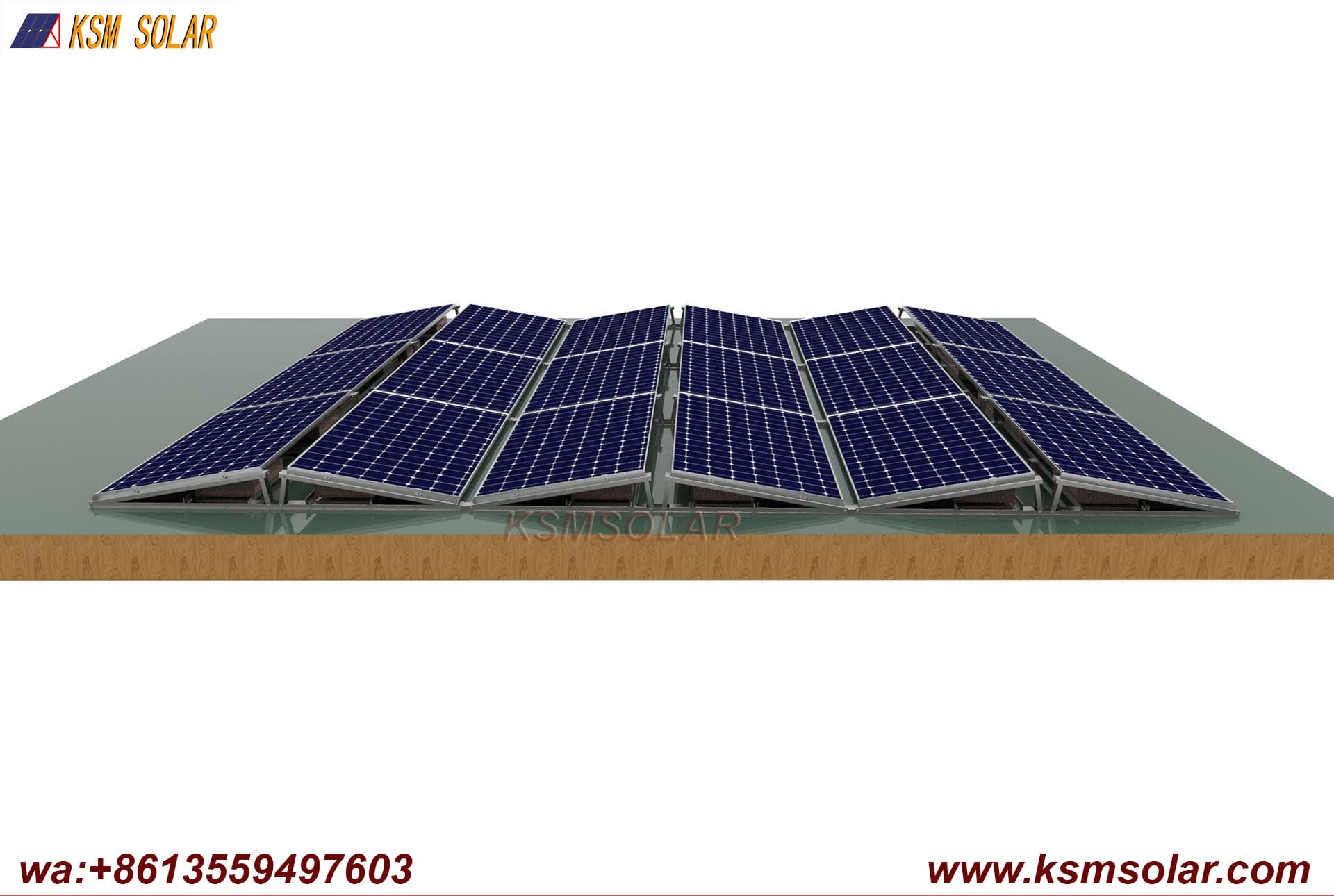
ZAM Coated Steel Tripod Ballast Mounting System
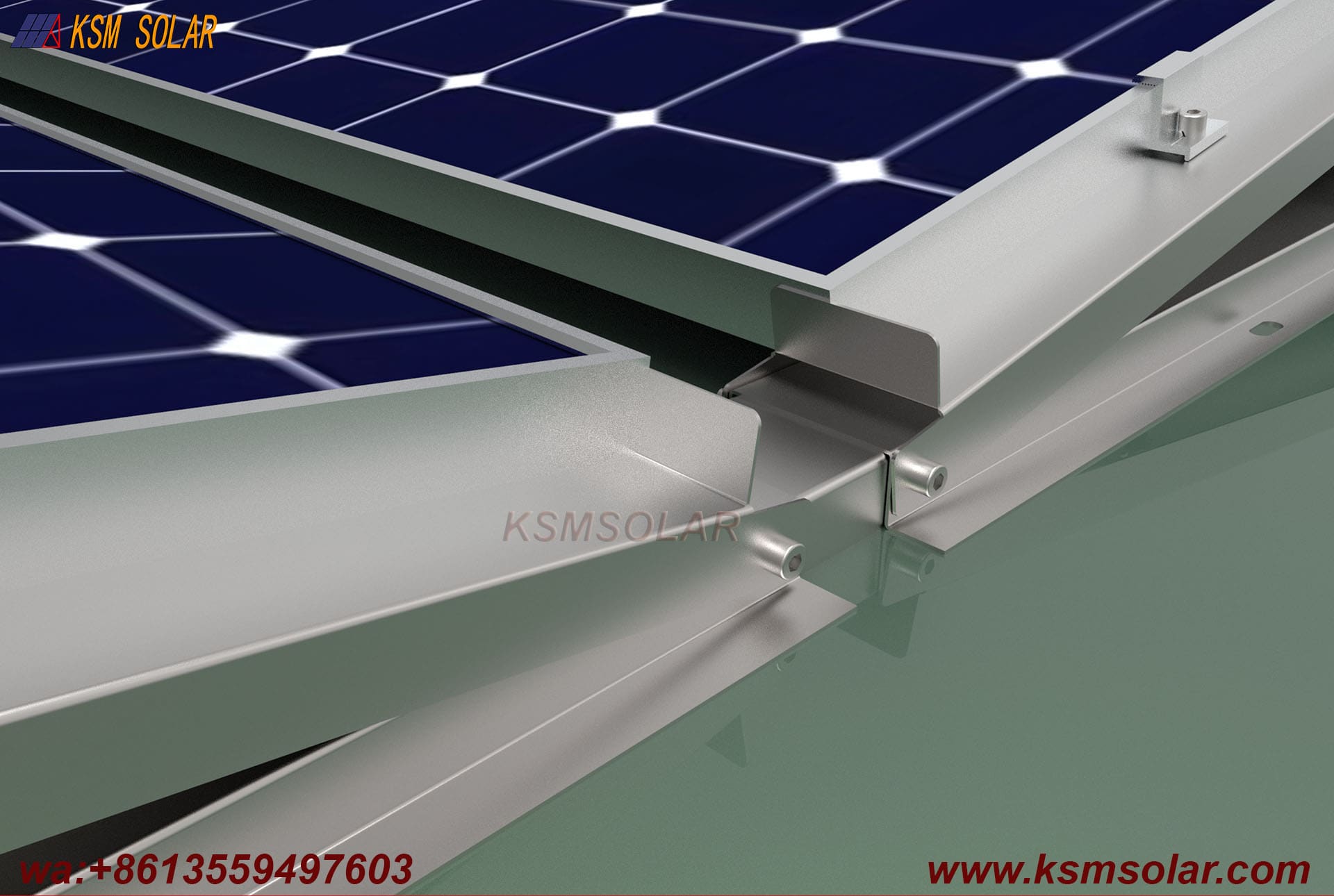
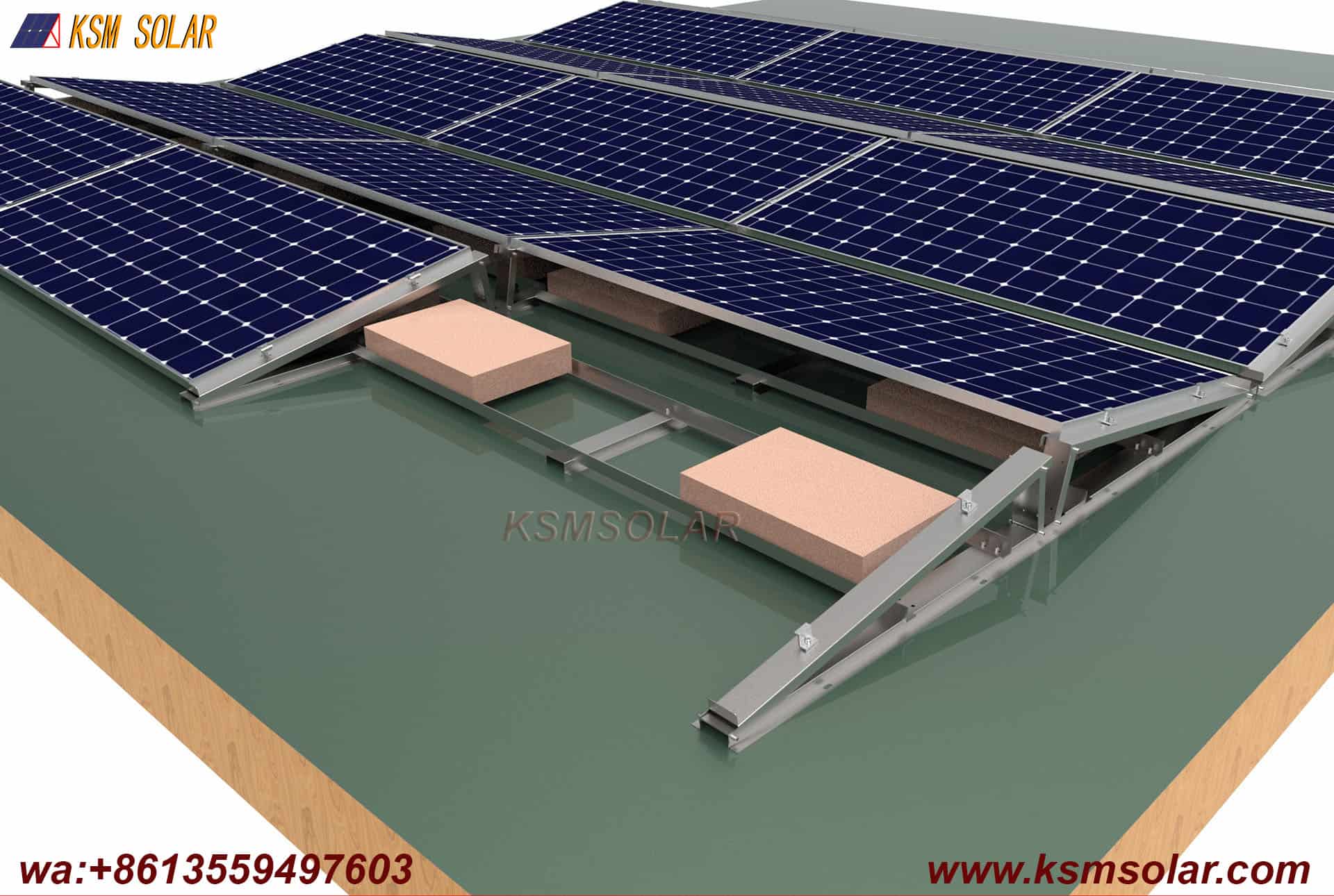
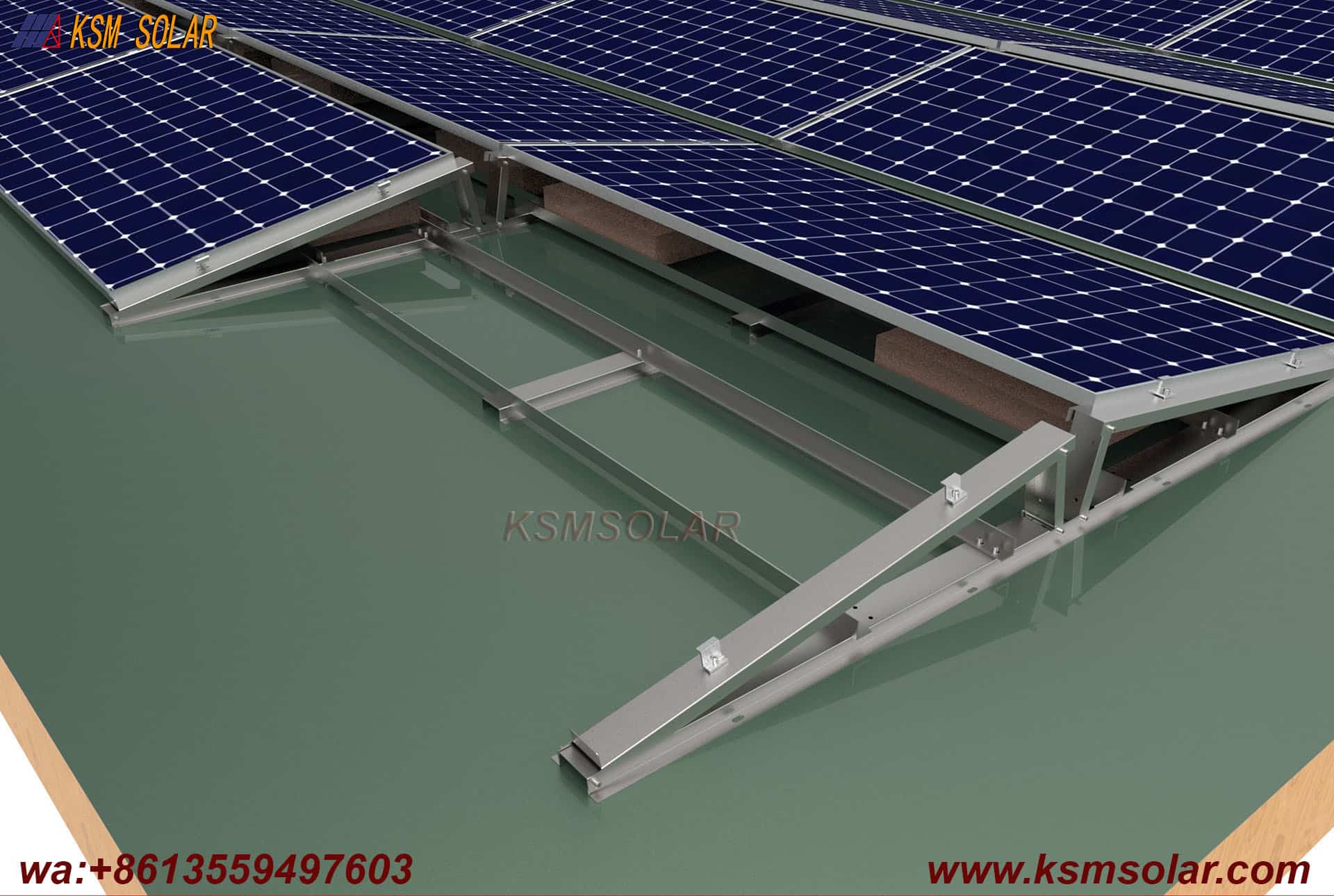
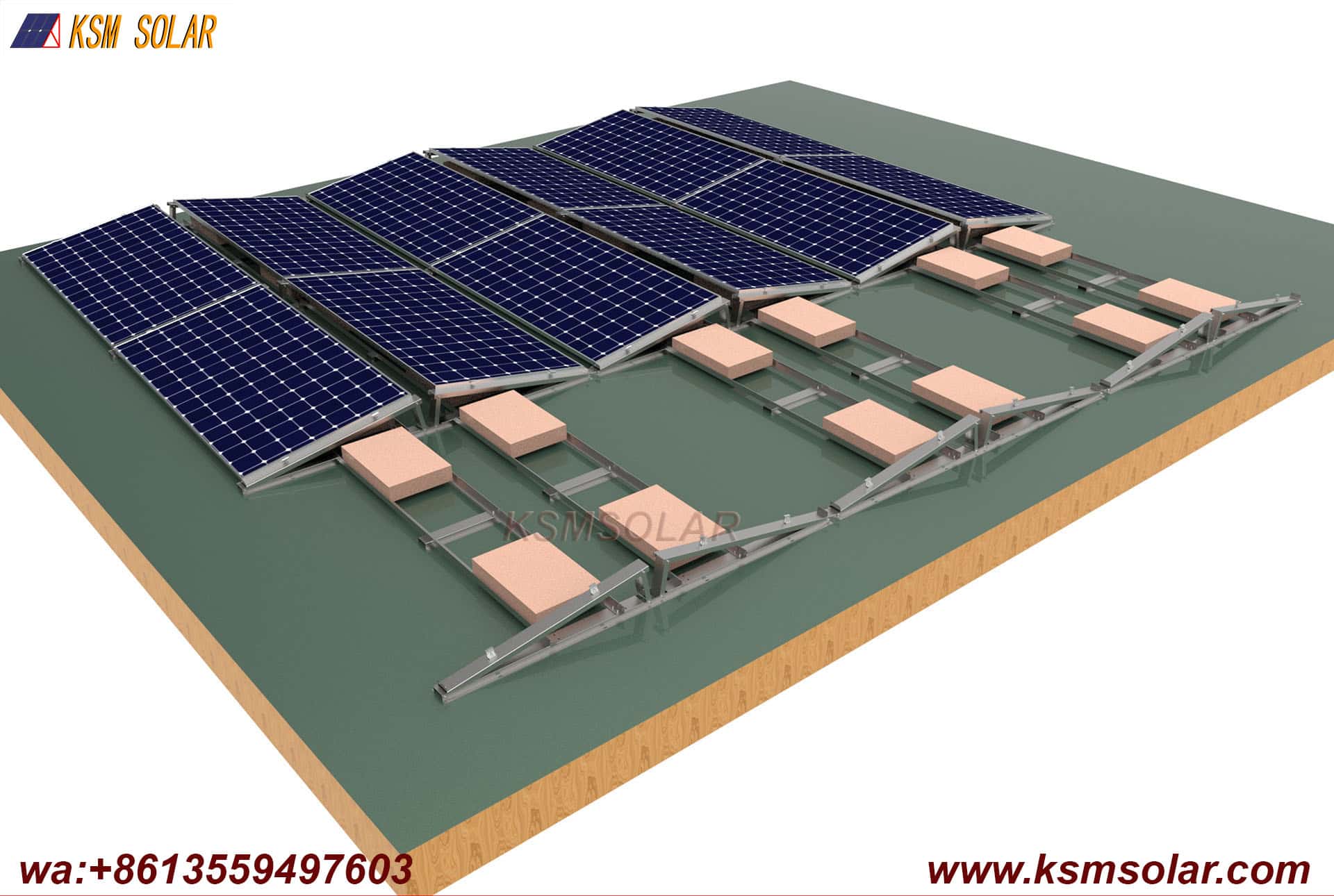
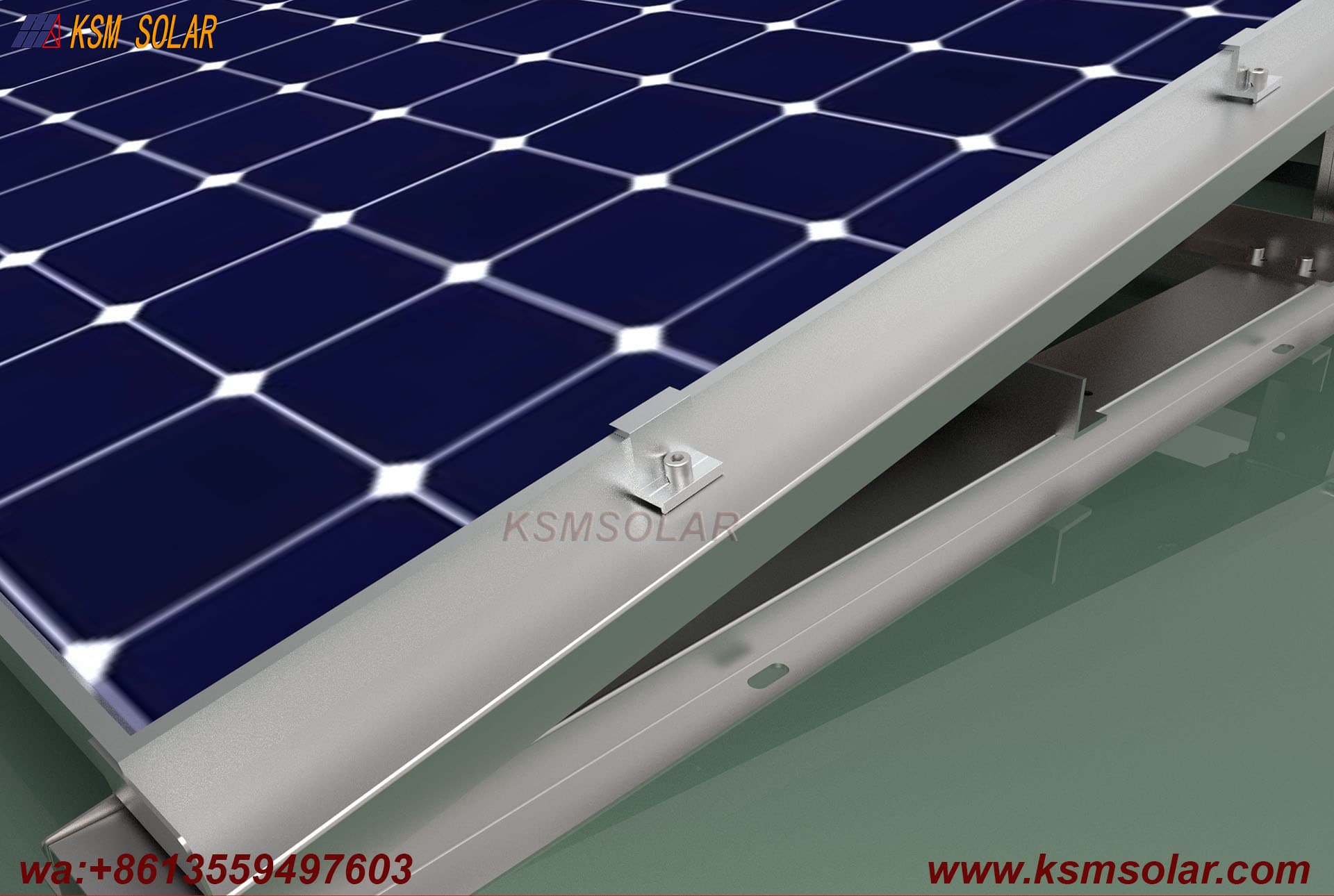
A zinc-aluminum-magnesium coated steel tripod ballast system is a non-penetrating mounting solution designed primarily for flat roofs and ground-level installations. Its defining feature is the triangular (tripod/A-frame) structure fabricated from high-strength steel with an advanced Zn-Al-Mg coating, which provides exceptional corrosion resistance, self-healing properties at cut edges, and long-term durability while relying on gravitational ballast for wind uplift resistance .
Core Functional Principles
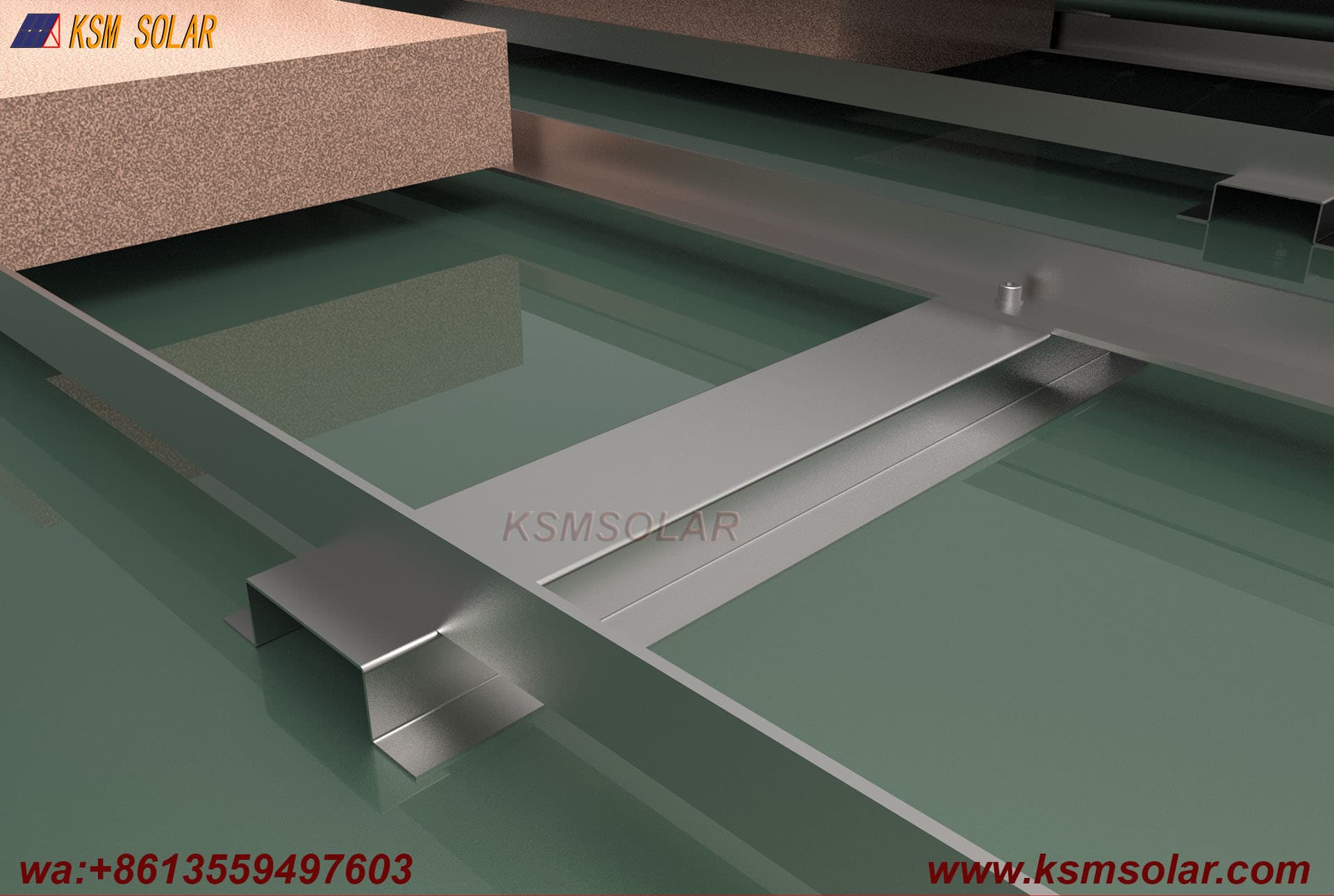
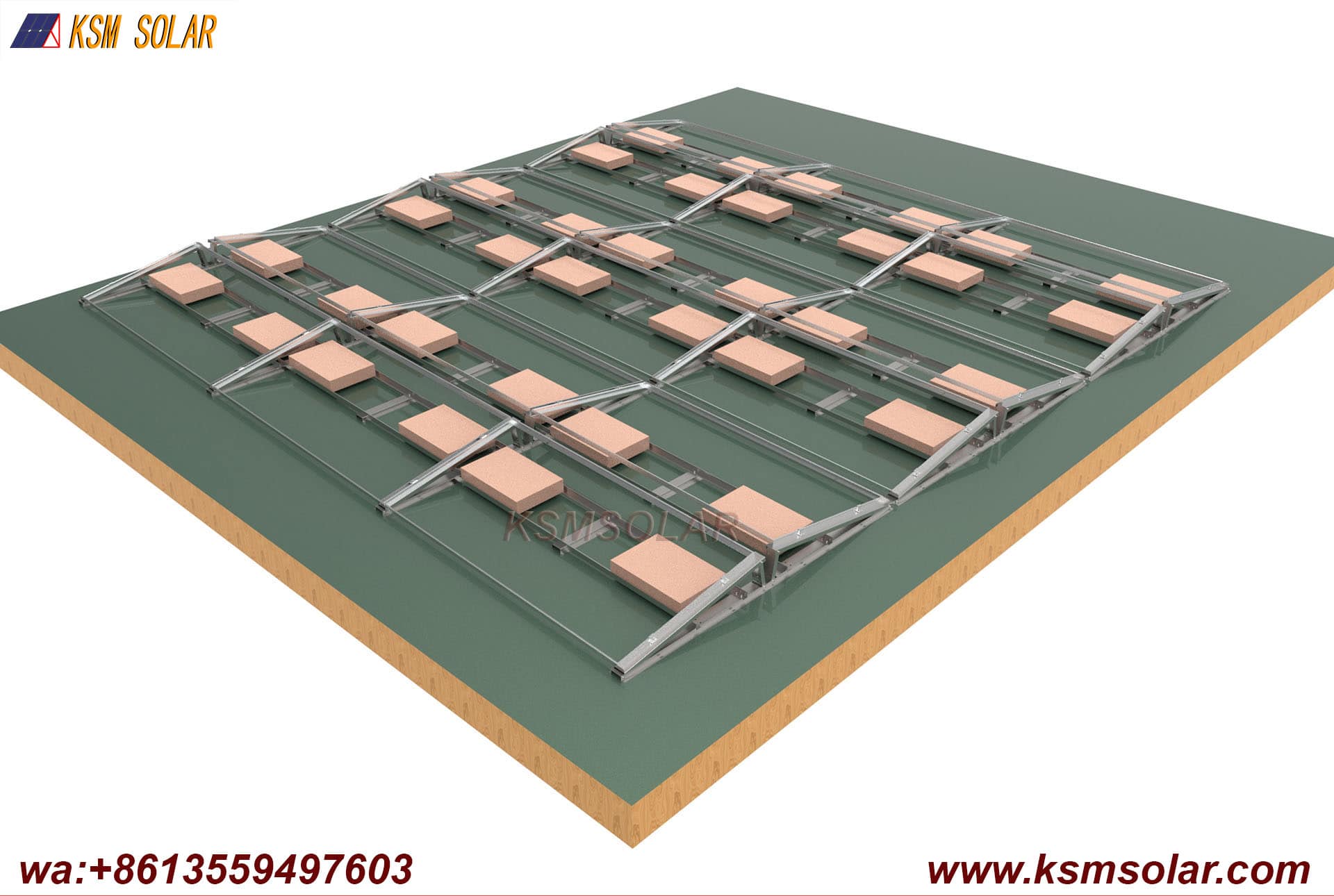
Non-Penetrating Attachment: The system relies entirely on gravitational ballast—typically concrete blocks placed in integrated trays or on base beams—to resist wind uplift and sliding forces. This eliminates any roof penetrations, preserving the integrity and warranty of the waterproofing membrane .
Triangular Structural Efficiency: The tripod (triangular) geometry is inherently stable and efficient. It distributes wind and snow loads through the frame and down to the roof surface via three primary contact points, minimizing stress on individual components .
Optimized Tilt Angle: The height differential between the front and rear legs creates an elevated tilt angle (typically 5° to 45°) that maximizes solar energy production based on site latitude .
Advanced Material Protection: The Zn-Al-Mg coating provides superior corrosion protection compared to traditional galvanized steel, with self-healing properties that protect cut edges without requiring additional field-applied coatings .
Geometric Configuration: The Steel Tripod
The triangular frame structure is optimized for strength and stability:
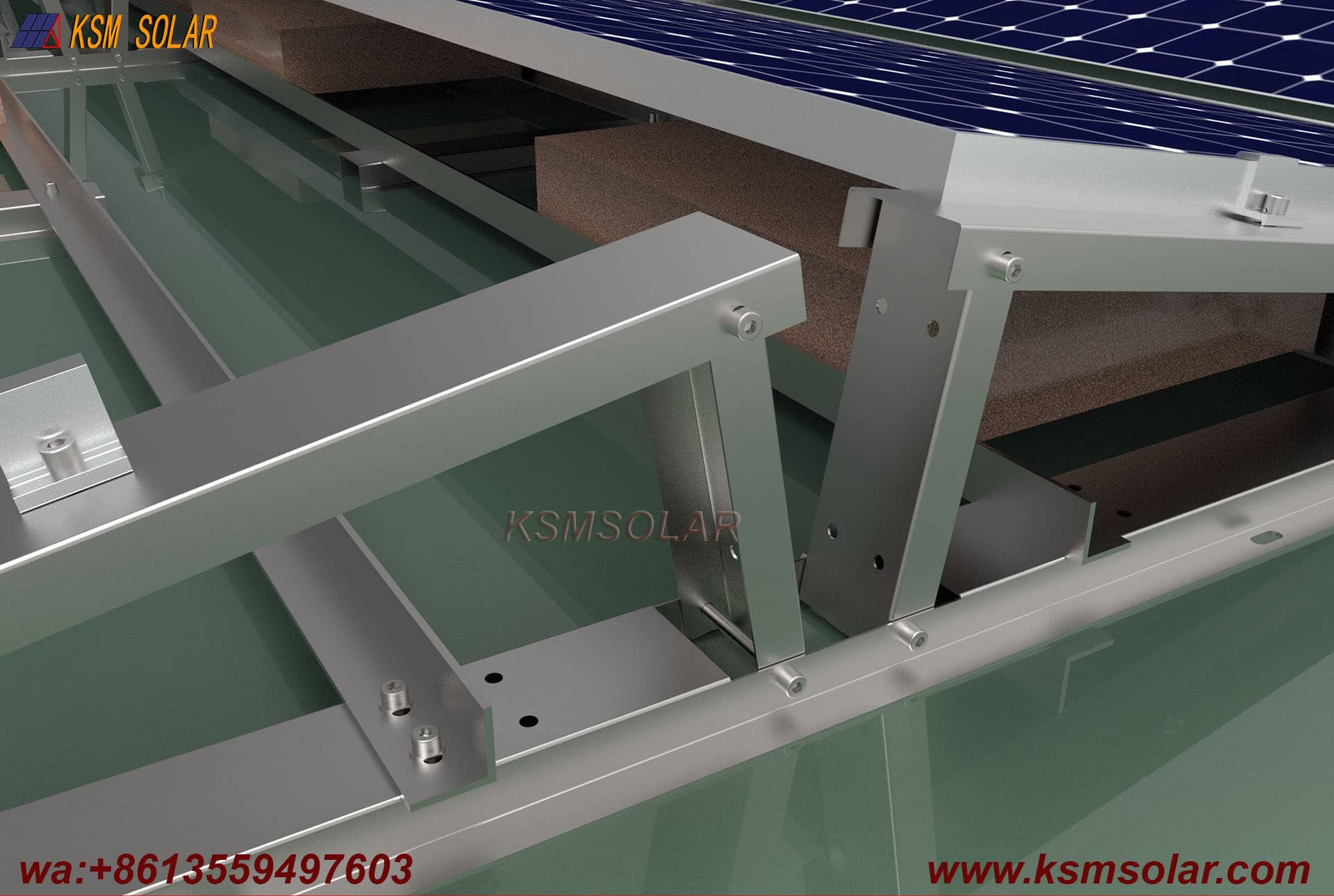
Front Leg (Lower): The shorter support positioned at the lower edge of the array, determining minimum panel elevation .
Rear Leg (Higher): The taller support positioned at the upper edge, creating the tilt angle. Often adjustable to vary the angle .
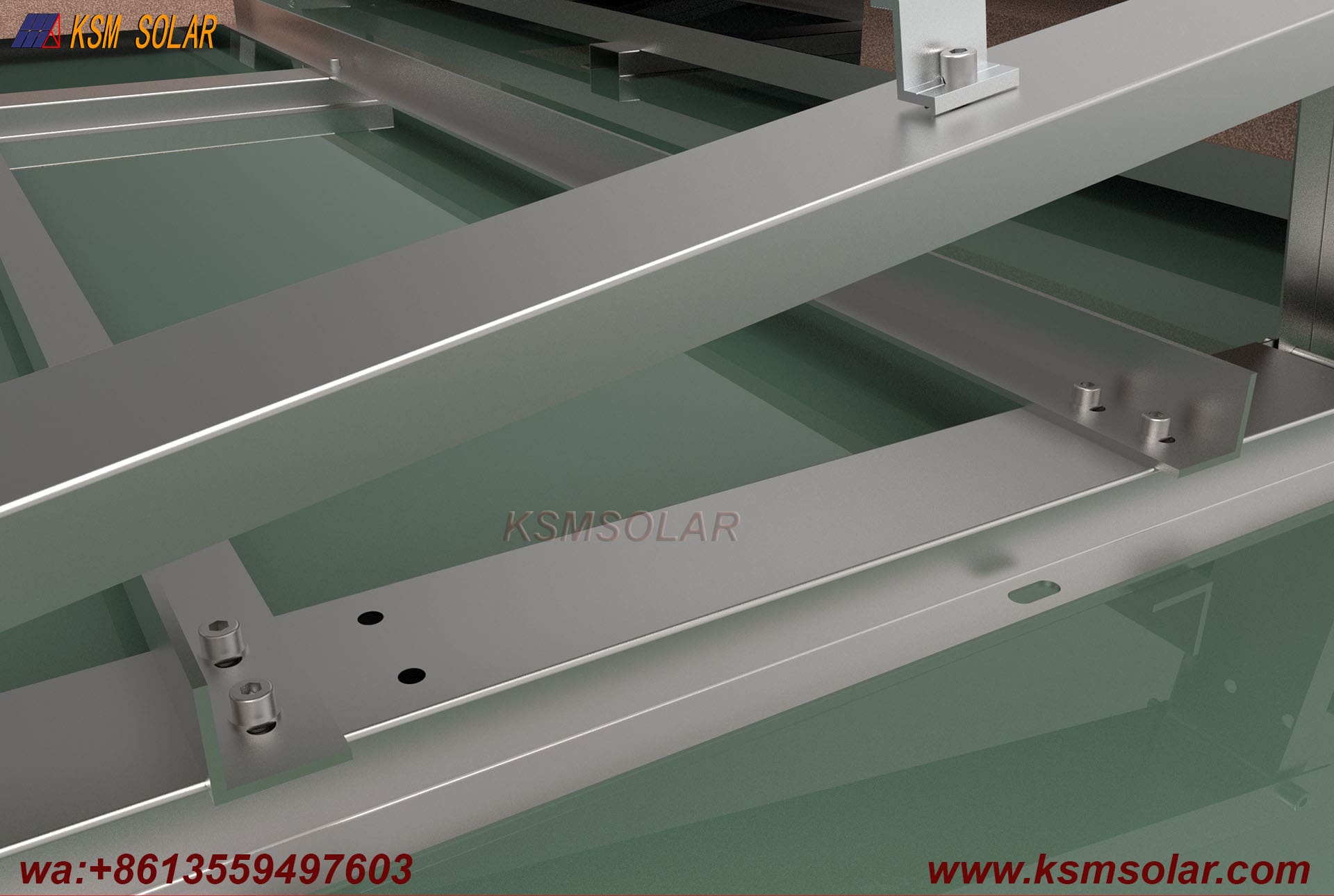
Base Beam / Horizontal Member: The bottom member connecting the front and rear legs, completing the triangular structure. This member incorporates features for ballast retention .
Three-Point Roof Contact: The tripod contacts the roof at three points (the ends of the base beam and the rear leg foot), providing stable support that accommodates minor roof unevenness .
Cross-Sectional Profile: Legs are typically formed from C-channels, Z-profiles, or tubular sections optimized for high strength-to-weight ratios .
Parameters
Material: | S350GD |
Standard: | ASCE7-10/EU/JISC8955-2017 |
Surface Treatment: | ZM275 |
Wind Load: | 0-60m/s |
Snow load | 0-150cm |
Warranty | 10 Years |
Service Life | 25 Years |
Details